Tampilkan postingan dengan label WITH. Tampilkan semua postingan

Kamis, 20 Juli 2017

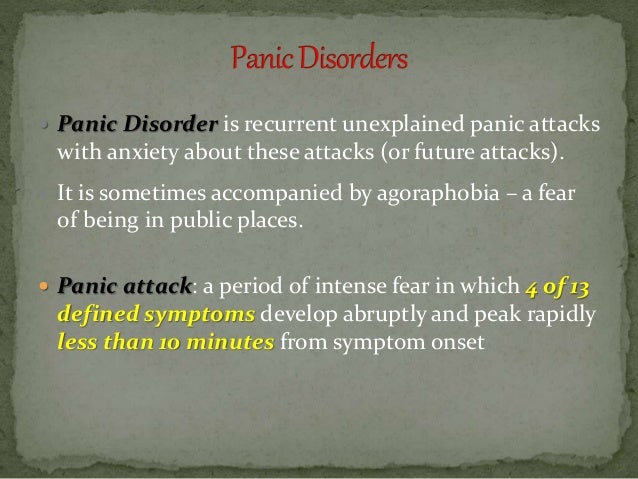
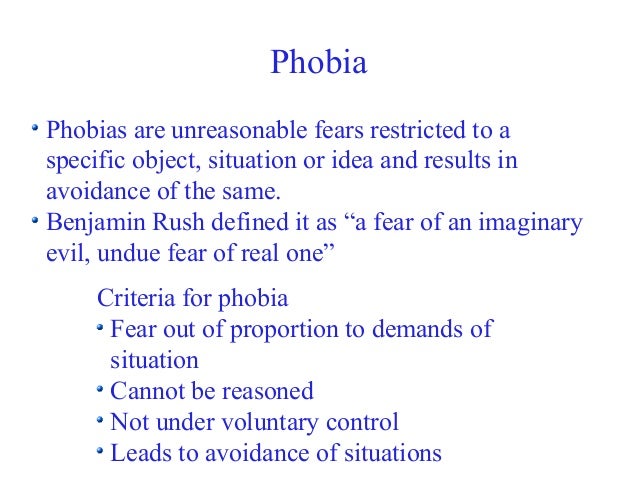
Discuss Panic attack disorder with agoraphobia


Panic attack disorder with agoraphobia is definitely an example of prefer to in the at this moment We all know in the report search engines As a way to produce precious facts to our followers we've got tried using to uncover the actual closest importance pictures close to Panic attack disorder with agoraphobia Not to mention in this case you intend to check out nowadays, these kind of photographs are actually consumed on the foremost learning resource.

panic-disorder-with-agoraphobia-picture.jpg Panic Disorder and Agoraphobia Anxiety and Panic Treatment Center Pics Photos - Of A Panic Attack Looking500 Panic_Disorders What Are You Afraid Of? Walking On Sunshine @ Surya Yoga Understanding Panic Disorder

They will are around for down load, if you need to and additionally plan to remove it simply click save badge on the page, and additionally it’ll come to be automatically downloaded into your notebook computer. Last of all in order to acquire fresh together with current graphic regarding Panic attack disorder with agoraphobia , remember to comply with people in yahoo and google as well as as well as book mark this excellent website, all of us try the greatest to provide you with every day revise with all new and fresh content. We hope appeals to you much of our websites.

Panic attack disorder with agoraphobia - it has ended up created with the expectation the truth that we will without difficulty seriously stimulate practiced so that you can people today. This particular blog post will be able to fulfill to provide a blueprint remember when you are mystified to choose the best suited lead The Panic attack disorder with agoraphobia content could be your better alternative to always be utilized by the package, considering that it comes with its own arrange should look and feel a great deal more completely satisfied Panic attack disorder with agoraphobia - Extremely helpful for yourself subsequently we tend to making the effort see a reliable form which inturn will help uou acquire determination while not frustration. do not forget to bookmark this page, due to the fact possibly 1 day you will require that again seeing that ones inspirational thoughts.


Sabtu, 08 Juli 2017

Get Anxiety with panic attacks dsm code


On this page all of us may make it easier to acquire a invaluable blueprint influenced by exploration about today's articles or reviews Anxiety with panic attacks dsm code likelihood controversy for hundreds of people what individuals certainly choose these products. inside guide Gathering we all utilize numerous engines like google underneath are photographs which might be based on Anxiety with panic attacks dsm code .

Panic Attacks Agoraphobia Dsm Code Method Panic Attacks Agoraphobia Dsm Method Pediatric Bipolar Disorder Dsm 5 Calgary Therapist: Mervin Van der Spuy - Calgary Counselling Squamish Therapist: Jill Koehler - Squamish Counselling Wayne Therapist: Vivian Good - Therapist 19087.

Pictured earlier mentioned you’re able to transfer and additionally rescue it into the computer hard drive making sure that at any time you need it may be immediately seen effortlessly. Anxiety with panic attacks dsm code is a major for yourself which wants to connected subject areas. Consequently all of us required the actual effort to collect the information with regard to the advantage of the site visitors. Save the web site which allows you to find more articles linked to the particular keywords and phrases

Anxiety with panic attacks dsm code - that will build up the eye of the customers can also be pretty pleased for making this site. developing products you can released will certainly many of us try on in the future to help you genuinely recognize soon after reading this article write-up. At long last, not necessarily just a few ideas that must definitely be intended to get everyone. however because of the restrictions associated with vocabulary, we can only present the Anxiety with panic attacks dsm code discourse right up listed here


Minggu, 25 Juni 2017

PARENTING CHILDREN WITH CEREBRAL PALSY


Any parent or caregiver of a child with cerebral palsy knows how hard it gets when trying to meet the needs of such children. Though this may be a difficult task to them, they know that they are also not completely helpless especially if they are knowledgeable about the condition and how they can manage it. With regard to this, we would love to shade more light on what cerebral palsy is, in a bid to empower our readers and especially those who have children with the condition.

What Is Cerebral Palsy?

Cerebral palsy (CP) is a term used to describe a group of chronic disorders that impair control of movement due to damage to the developing brain. It usually develops the age of 2 or 3 and is a non- progressive brain disorder- it does not continue to worsen throughout life. However, the symptoms due to the brain damage often change over time -- sometimes getting better and sometimes getting worse. CP is one of the most common causes of chronic childhood disability. 

What Causes Cerebral Palsy?

Congenital cerebral palsy results from brain injury during a baby's development in the womb. It is present at birth, although it may not be detected for months. It is responsible for CP in about 70% of the children who have it. An additional 20% are diagnosed with congenital cerebral palsy due to a brain injury during the birthing process. In most cases, the cause of congenital cerebral palsy is unknown. Some possible causes include:
  • Infections during pregnancy such as rubella (German measles), cytomegalovirus (a herpes-type virus), and toxoplasmosis (an infection caused by a parasite that can be carried in cat feces or inadequately cooked meat).  These may damage a fetus' developing nervous system.
  • Severe jaundice in the infant which in rare cases damage brain cells.  
  • Rh incompatibility between mother and infant. In this blood condition, the mother's body produces antibodies that destroy the fetus's blood cells. This, in turn, leads to a form of jaundice in the newborn and may cause brain damage.  
  • The physical and metabolic trauma of being born. This can precipitate brain damage in a fetus whose health has been threatened during development.  
  • Severe oxygen deprivation to the brain or significant trauma to the head during labor and delivery.

In addition to the above, some risk factors that increase the possibility that a child will later be diagnosed with CP include:
  • Breech births (with the feet, knees, or buttocks coming out first).  
  • Vascular or respiratory problems in the infant during birth.  
  • Physical birth defects such as faulty spinal bone formation, groin hernias, or an abnormally small jaw bone.  
  • Receiving a low Apgar score 10 to 20 minutes after delivery. An Apgar test is used to make a basic, immediate determination of a newborn's physical health. For the test, the infant's heart rate, breathing, muscle tone, reflexes, and color are evaluated and given a score from 0 (low) to 2 (normal).  
  • A low birth weight (less than 2,500 grams, or 5 lbs. 7.5 oz.) and premature birth (born less than 37 weeks into pregnancy).  
  • Being a twin or part of a multiple birth.  
  • A congenital nervous system malformation, such as an abnormally small head (microcephaly).  
  • Seizures shortly after birth.
  • Mothers who had bleeding or severe proteinuria (excess protein in the urine) late in their pregnancy have a higher chance of having a baby with CP, as do mothers who have hyperthyroidism or hypothyroidism, mental retardation, or seizures.  

PS: Not all children who are exposed to these risk factors develop CP. However, parents and doctorS should be aware of these risks and watch an at-risk child's development carefully.

Signs of Cerebral Palsy

The signs of cerebral palsy usually develop before a child turns 3 and they can range from mild to severe. The early signs of cerebral palsy include:
  1. Developmental delay: An infant with cerebral palsy may not learn to sit or walk or reach other developmental milestones at the appropriate age.
  2. Abnormal muscle tone: The infant's body typically seems very stiff, though it may appear overly relaxed and floppy.
  3. Unusual posture or body position.

Other signs may include:
  • Dragging one foot or favoring one arm -- features which show uneven muscle function
  • Lots of drooling or trouble sucking, swallowing, or talking
  • Tremors

Treatment for Children with Cerebral Palsy

There is no cure for cerebral palsy, but early intervention can measurably improve your child's ability to manage the condition. Treatment options for children with cerebral palsy include:
  • Physical therapy to help improve strength, flexibility, and balance
  • Occupational therapy to help with fine-motor and self-care skills, also to install aids for the home and essential places
  • Speech therapy to help improve communication, and possibly feeding and swallowing
  • Hearing, vision, and other assistance devices
  • Orthotic devices to improve balance and mobility
  • Medication to prevent pain or seizures, or to relax muscles
  • Surgery to improve severe cases of deformity or spasticity
  • Counseling for behavior or adjustment issues.

Visiting nurse services can help put together packages of care as required, and they can help parents access and coordinate services when needed.
There is no one-size-fits-all approach to treating a child with cerebral palsy. Each individual will have different symptoms, abilities, and needs. Be proactive in making sure your child gets the help and support he or she needs. Whether symptoms are mild or severe, your child deserves support to reach his or her maximum potential.

Support for Parents of Children with Cerebral Palsy

According to Roy Benaroch, here are some things that parents/ caregivers can do to help themselves even as they help their children:

  1. Educate yourself.The more you know about cerebral palsy, the more tools you will have to help your child. Ask your child’s doctor about resources available from his or her office and on the internet and keep up-to-date with current research.
  2. Build a support system. Seek out local groups and parent network organizations for families of children with disabilities. Ask your doctor or specialist for referrals. Join an online chat group for parents of children with cerebral palsy.
  3. Take care of yourself. You can’t help your child if you are burned out. Make plans to do things you enjoy, such as taking time out to have a night out with friends or family. Planning ahead so that the situation at home is safe for your child prior to going out makes this possible and more beneficial. It is so important to “recharge the batteries.”
  4. Take care of your relationships. Find a babysitter whom you like and trust, so you and your partner can have private time together. And don't forget your other children- in case you have any; make sure to keep up with their activities and try to have special one-to-one time with them as often as possible.
  5. Get help. If you or your partner is consistently burned out or depressed, or if you are not getting along, seek help. Having a disabled child can be extremely stressful; it can also put your relationship at risk. Your doctor can refer you to a qualified individual, family, or couple's therapist. It may also be that you are still at an early stage in understanding your child’s condition and the services that are available to help. Finding out more may give an enormous boost to your ability to cope.


References
http://www.webmd.com/children/guide/cerebral-palsy-parenting

http://www.webmd.com/brain/understanding-cerebral-palsy

http://www.webmd.com/children/guide/cerebral-palsy-parenting


Senin, 15 Mei 2017

More Great Quotable Quotes from People Who Agree with Me About Stuff


Today's post is the second of a series of two containing some of my favorite recent quotes that center around themes discussed in this blog. 

As mentioned, I have been collecting the quotes and putting them on my Facebook fan page at http://www.facebook.com/pages/David-M-Allen-MD/80658565761?fref=ts. The ones posted here started in January of 2014, and are loosely organized by topic. 


Family Dysfunction

"Taking responsibility for something and self-blame are horses of two entirely different colors. The former is empowering; the latter is paralyzing." ~ John Rosemond, Ph.D

Chronic Mental Illness

Our prison population is bigger than Slovenia
Cause we put people in jail instead of treating schizophrenia 
        ~ John Oliver

On trying to find the cause of schizophrenia: "30 wasted years of looking for bad mothers followed by 30 wasted years looking for bad genes." ~ E. Fuller Torrey, M.D.


Psychiatric Practice, Electronic Medical Records, and Managed Care

"The shift from benzodiazepines [for anxiety disorders] to antidepressants is one of the most spectacular achievements of propaganda in psychiatry." ~ Giovanni Fava, M.D., clinical professor of psychiatry at SUNY in Buffalo.

"You're complaining about a Freudian slip? Freud should be able to wear whatever he wants." ~ Tony Kreitzberg

"Why would anyone want to teach me to tolerate my pain? My only interest is in removing it!” ~ Cynthia Mueller, a blog reader, when first exposed to the DBT treatment model for borderline personality disorder.

"Methadone and Buprenorphine [suboxone] should be our first line opiates for use in the treatment of severe acute pain. That way, if patients become addicted to them, they would already be taking the appropriate treatment for their addiction!" ~ Steven A. King, M.D.

"The current EHR has destroyed the narrative, especially in psychiatry, and converted the basis of care to a checklist." ~ George Dawson, M.D.

"It's not just about doing the right thing for your patients, it's about proving to someone else that you've done the right thing, and sometimes "I can't quite remember if I'm an underpaid physician or an overpaid data entry clerk!" ~ Dr. J.D., Family physician.

"The proving [that I did right by a patient] takes longer than the doing." Chrisitine Sinsky, M.D.

"You don't need any research to show that if you are cycling people with serious mental illnesses in and out of short stay psychiatric units in 3 - 5 days and basing their stay there on whether or not they are "dangerous" and using treatments that take weeks to work that by definition you are appearing to treat many more patients but providing adequate treatment to very few. You don't need any research to show that when you shift mental health care from psychiatric units run by psychiatrists to county jails that the outcomes will be worse. You don't need any research to show that when people do not get research-based psychotherapies in the manner that they were designed and instead get a few crisis oriented sessions that do not address their basic problems that outcomes cannot hope to be better. When your attitude is that all mental health treatment can proceed by treating common problems with definite social etiologies with medications as fast as possible and not having an intelligent conversation or working alliance with the person affected - it is logical that treatment outcomes will not improve. Treatment outcomes do not improve if you do not provide effective treatment and that is the mental health landscape at this time." ~ George Dawson, M.D.

"I don’t know if anyone has ever not tensed at being told to relax." ~ Carolyn Hax

"Health care systems that allow patients to rate their doctors on satisfaction ratings without considering that patients might be dissatisfied with reality should be held to task." ~ George Dawson, M.D.

"You want a tale of two cities...look how the financial services industry has captured regulation to their advantage vs. how doctors have been battered by regulation. But it's based on the mind-set of Goldman Sachs vs. the mindset of the family practitioner...who politically shows up for a gunfight with a butter knife." ~ James O'Brien, M.D.

"Managed care has done an expert job of cost shifting by developing business friendly treatment criteria, abandoning the social and community mission of treating difficult problems associated with mental illness and addiction, and removing the element of humanism from psychiatric treatment. When I first started to practice, discharging people from a hospital when a psychiatrist had serious concerns about whether or not they could make it or whether they would be safe was very uncommon. Today those discharges are the rule rather than the exception largely due to the imaginary dangerousness criteria. "~ George Dawson, M.D.

Drug War

"When we talk about marijuana as a gateway drug, we have to remember that the last three occupants of the White House have smoked marijuana. We can very well say marijuana is a gateway drug to the White House” ~ Carl Hart, Ph.D

Psychiatric Diagnosis

"Then there’s the matter of testing a child to determine if he has ADHD. The plain fact is that none of the published diagnostic criteria depend upon test results. They refer to behavior, period." ~ John Rosemond, Ph.D.

"A [mental] disorder does not operate with [social environmental] discrimination. If something was “wrong” with [your child], she would be obnoxious in front of friends, their parents, teachers, and the people in white coats who came to take her away (tra la, for those who appreciate the reference)."
~ John Rosemond, Ph.D.        


            ("Actually, "Ha Ha" and not "Tra La" ~ Napoleon XIV)

A reader writes that her friends 'recently spent around $300 on their daughter’s birthday party—her first. They bought lots of stuff to entertain their young guests and extended family. The child, a baby, obviously had no clue what was going on. I should mention that the parents are struggling to make ends meet.' As my readers know or should know, I am a psychologist. That qualifies me to determine and assign psychological diagnoses. As such, it seems obvious to me that these parents suffer from a now-commonplace parenting malady known as just plain nuts." ~ John Rosemond, Ph.D.

"One symptom does not make a diagnosis " ~ John Rosemond, Ph.D.

"Test anxiety is frequently not an aberrant psychological response - it is instead the normal anxiety anyone would feel in facing a situation for which they were inadequately prepared." ~ Barbara Oakley, Ph.D.

"Under the influence of intense affects, EVERYBODY becomes an idiot."~ Otto Kernberg, M.D.

"Only in America does 'gotta' substitute for 'wanna' so we can avoid the guilt. " ~ The Last Psychiatrist

ADHD

"An often trivialized cause of irritability, difficulty concentrating, reduced vigilance, distractibility, decreased motivation, lack of energy,and disturbed mood: insufficient sleep syndrome. People with this syndrome, common in our 24 hour society, intentionally curtail sleep for work, social, family, or other reasons. According to the International Classification of Sleep Disorders, a practical and effective remedy does exist: more sleep." ~ Psychiatric News.

"The maps of child obesity in the U.S. look suspiciously like those of the ADHD epidemic, with the highest rates in the deep South." ~ Psycritic

"It’s truly surprising how many parents have been told that if their child did not have ADHD the child would not respond to stimulant drugs. In the blitzkrieg of World War II, German bomber pilots took a stimulant drug with a chemical structure similar to that of Adderall. When the American military discovered how much the stimulants helped German pilots, they put stimulants in the kit of every American and British bomber pilot to improve their concentration and alertness on long-haul missions. Surely not all these pilots had ADHD." ~ Marilyn Wedge, Ph.D.

"...after taking the [drug company-designed screening] ADHD quiz, I've realized that both I and my cat have the dreaded disease. I'm off to get us both the treatment we need." ~ Anonymous comment on one of my blog posts.

Evolutionary Psychology

"Selfishness beats altruism within groups. Altruistic groups beat selfish groups. All else is commentary." ~ David Sloan Wilson, Ph.D.

"We mammals are curiously preoccupied with social hierarchy. You may say you don’t care about status, but if you filled a room with people who said that, they’d soon form a hierarchy based on how anti-status each person claims to be." ~ Loretta Breuning, Ph.D.

Kamis, 04 Mei 2017

Quick Contest Fun with first lines


I'm deep, deep into the first draft of something utterly crazy, so in the spirit of that, I thought we could play a game. Mostly because I'm too fried to think of anything intelligent to post.


So.

Below are first lines from several of my manuscripts. None of which are under contract by the way--these are not lines from Sanctum or Scan or their sequels. Below are lines from two trunked mss and three that have yet to see the light of day but probably will in the future. I pretty much never share excerpts from things I've written, so today will be a wild and crazy departure from the usual! Yay?

Here's what I thought we could do. I'll give you the lines and then ask a few questions. The person with the most correct answers wins a $10 gift card. If more than one person gets all answers correct, I'll flip a coin or use a random number generator to choose the winner. We can call this my so close to 500 followers it BURNssss contest, okay?

Okay, here are the first lines ...

A. "The chauffeur drove them home from the hospital, maneuvering the amphibious limousine through the waist-deep canals in their Back Bay neighborhood."

B. "If I had fingers, I would dig them into the earth at your feet."

C. "Amy and I picked our way through the thick stand of trees, the only boundary between the high school fields and the cemetery."

D. "By the time we cross into Sinaloa from Durango, I understand that I will never see my home again."

E. "When you’re cornered, you find out what’s at the heart of you."

And here are the questions ...

  1. Which first line comes from the first manuscript I ever wrote?
  2. Which first line comes from the manuscript I'm working on right now?
  3. Which first line starts out a manuscript that includes walking personifications of doom and violent death who happen to be very good at Irish dancing?
  4. Which first line is delivered by a character who is on an airplane?
  5. Which first line is delivered by a character who is the daughter/son of a psychiatrist?
Okay, friends, happy guessing! Feel free to share a first line from your own work if you so desire. At the very least, it will make me feel a bit less self-conscious. Winner will be announced next Monday!

Kamis, 20 April 2017

How Do You Know if You Should Try Treating Your Depression With Medication


I have frequently blogged in this venue about the efficacy of antidepressants in “depression.”  I have pointed out that “depression” has a wide variety of different meanings, and that there are also several different syndromes of depressive disorders in the diagnostic manual, the DSM.  While there is considerable overlap in the symptoms of the various syndromes, some are far more likely to respond, and respond dramatically, to antidepressant medication than others.

I have also ranted against physicians who use “symptom checklists” or other self-report “tests” to make a diagnosis of depression, rather than use an extensive clinical interview.  The tests often say very little about whether a symptom a patient complains of is clinically significant for a certain diagnostic syndrome or not.  Aside from not looking at the psychosocial context in which the symptom occurs, the tests usually say very little about three important qualities of clinically significant symptoms – their pervasiveness, persistence, and whether or not they are pathological.  They also do not clearly show whether the symptoms all cluster together at the same times.

As I have pointed out several times, in order to make sure the patient is giving the doc an accurate and complete picture of their mood state, a good doctor must often ask one or even several follow up questions whenever a patient says “yes” or “no” in answer to a question about the presence of a symptom.

But how about a potential patient?  How does a non-professional know whether or not to even consult a physician about their mood state?  Why not just ignore it and see if it goes away?  Alternately, why not just go to a psychotherapist and handle it with psychotherapy alone?

That’s a very important question.  A similar question has recently been widely featured in the media in response to a proposed change in the DSM.  How does a patient or a doctor know when normal grief after the death of a loved one morphs into a clinical depression that would respond to medication?  The argument has mostly been about how long a doctor should wait after such a death before making a diagnosis of clinical depression, (major depressive disorder). 

While it is good that a doctor should not be overly hasty about making a diagnosis in this situation, in some genetically-prone individual, a stress of that severity can indeed trigger a major depressive disorder in a relatively short period of time.  Should that patient have to wait to be relieved of his or her suffering?  Certainly, any proposed “waiting period” specified in the DSM would have to be somewhat arbitrary.

To help patients figure out who to consult and when to consult a physician, a new self-report instrument is available that is significantly superior to the usual ones.  It is called the Post-Bereavement Phenomenology Inventory. It is meant to distinguish normal grief from major depression, but potentially it could also be used to distinguish major depression (likely to respond to meds) from another depressive syndrome, dysthymia (much less likely to respond to meds).

It was meant for physicians and not for patients to review for themselves, but even though it is better than most self-report instruments, IMO it should still not be used in place of a complete and wide-ranging clinical interview.  Context, prior history of major depressive disorders, family history of depression, and a whole host of factors need to also be considered.

But as a screening tool for patients, I think it might be helpful.  It uses a strategy called prototype matching.  This strategy focuses on the difference between depressive syndromes rather than the similarities.  The questions contain different descriptions of how each depressive symptom would present itself in classic cases of the two syndromes, and asks the patient, “[Which of the two descriptions] better describes how you have been feeling, thinking, or behaving for the past one to two months?”

Here it is.  I hope this will help potential patients decide whom to consult.  The first descriptions in each question are of the symptom presentation seen in major depression, while the second are of depressive symptoms that are less likely to respond to medication.  Of course, this is hardly foolproof, but generally the more you answer the questions one way or the other, the more likely you are to be experiencing one syndrome or the other. 


If someone's depression seems to conform mostly to the first prototype rather than the second, there are certain things that people often say to them that are both inappropriate and counterproductive.  An excellent list of such things can be found at http://www.medicalbillingandcoding.org/blog/11-things-you-should-never-say-to-someone-with-depression/

1.       I am filled with despair nearly all the time, and I almost always feel hopeless about the future.


versus

      I feel sadness a lot of the time, but I believe that eventually, things will get better.

2.      My sadness or depressed mood is near­ly constant, and it isn't improved by any positive events, activities, or people.
versus

       My sadness or depressed mood usually comes in "waves" or "pangs;' and there are events, activities, or people who help me feel better.

3.      When I am reminded of my loss (of a loved one, friend, job, etc), I feel nothing but pain, bitterness, or bad memories.

versus
    
       When I am reminded of my loss (of a loved one, friend, job, etc), I often feel intense grief or have painful memories, but sometimes I have good thoughts and pleasant memories. 

4.      I will probably never get back to feeling like my "old self" again.

versus

       Things are really tough now, but I'm hopeful that with time I will feel more like my "old self.”

5.      I feel like a worthless person who has done mostly bad things in life, and has let my friends, family, and loved ones down.

versus

       I feel like I'm basically a good person and that, in general, I have done my best for my friends, family, and loved ones.

6.      All I can think about lately is me and how miserable I feel; I hardly think about friends, family, or loved ones, ex­cept to blame myself for some failing.

  versus

       Even though I'm less social and out­going since my loss, I still think a lot about friends, family, and loved ones, often with good feelings about them.

7.      When friends or family call or visit and try to cheer me up, I don't feel anything or I may feel even worse.

   versus

       When friends or family call or visit and try to cheer me up, I usually "perk up" for a while and enjoy the social contact.

8.     I often have persistent thoughts or im­pulses about ending my life, and I often think I'd be better off dead.

     versus

     I sometimes feel like a part of me has been lost and I wish I could be reunited with the person or part of my life I am missing, but I still think life is worth living.

9.      Almost nothing that I used to like do­ing (reading, listening to music, sports, hobbies, etc) is of any comfort or con­solation to me anymore.

     versus

   The things that I have always liked do­ing (reading, listening to music, sports, hobbies,etc)  give me some comfort and consolation, at least temporarily.

10.  I feel "slowed down" inside, like my body and mind are stuck or frozen, and like time itself is standing still.

   versus

       My concentration isn't as good as usu­al, but my body and mind aren't slowed down, and time passes in the usual way.


Sabtu, 25 Maret 2017

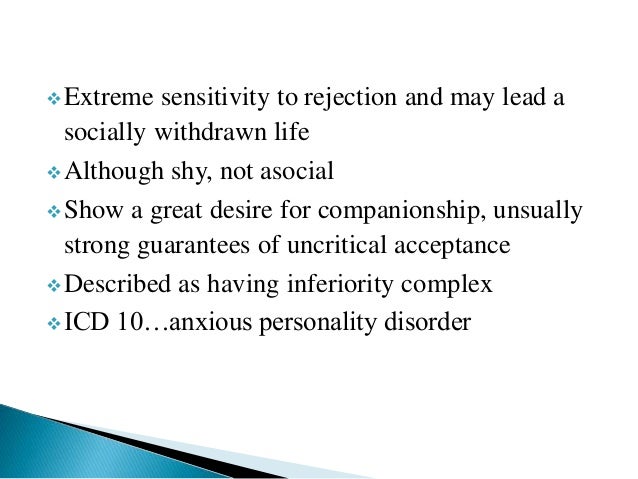
Anxiety with panic attacks icd 10


In such a writing most people are inclined to is likely to help you to get a useful reference stimulated by way of survey about today's articles or reviews Anxiety with panic attacks icd 10 risk of conversation for the reason that many shoppers of which are searhing for that. throughout reference point Amassing many of us employ a number of search engines like yahoo guidelines visuals which might be based on Anxiety with panic attacks icd 10 .

Anxiety disorders and obsessive compulsive Disease  to the point of panic where they are afraid to leave their homes Signs And Symptoms Of A Nervous Breakdown anxiety disorder Quotes Disorders of emotion Personality disorders

Pictured earlier you can actually save not to mention protect the item into your computer system disk drive to ensure that when you require it may be immediately seen effortlessly. Anxiety with panic attacks icd 10 is a major for yourself what individuals wants to pertaining articles. So you went on that labor to get the details to get the main advantage of all of our targeted traffic. Store much of our websites which will allows you to search out further content pieces related to the keywords

Anxiety with panic attacks icd 10 - to help you acquire the eye of our own guests will be excited to help with making these pages. improving the quality of the article might you put on in the future to help you genuinely recognize following scanning this publish. Finally, it is not a few words that must definitely be intended to get everyone. though from the disadvantage in speech, we will exclusively offer a Anxiety with panic attacks icd 10 debate upwards the following