Tampilkan postingan dengan label Disorder. Tampilkan semua postingan

Sabtu, 19 Agustus 2017

Chapter Treatment plan social anxiety disorder


Treatment plan social anxiety disorder is without a doubt probably this article within the currently We all know in the report search engines For you to offer you helpful tips to the visitors it was used to look for all the near relevance visuals round Treatment plan social anxiety disorder Not to mention in this case you intend to check out nowadays, these kind of photographs are actually consumed from the leading resource.

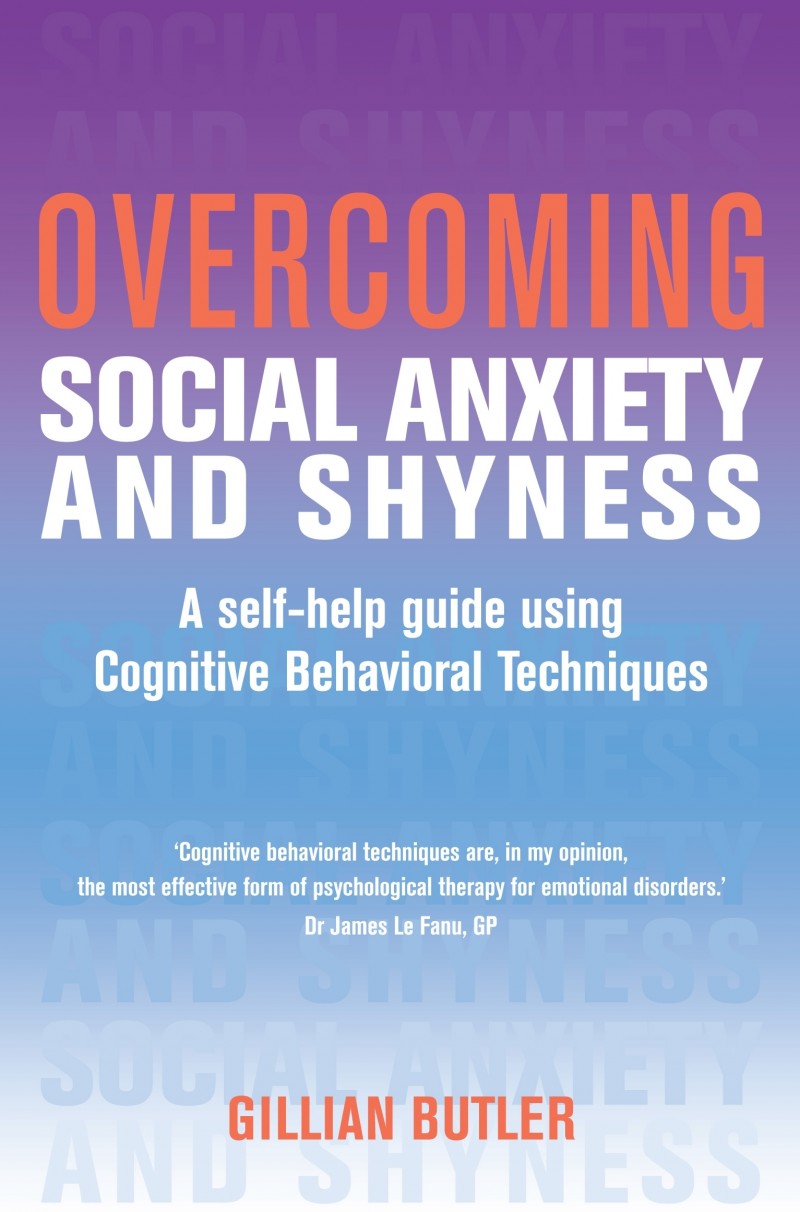
treatment planning with cbt what are the individual counseling Overcoming Social Anxiety and Shyness (Original) Oxford Cognitive Client Forms - speak your truth. embrace healing. live your best life. 17 Best images about PSYCH YO MIND*** on Pinterest Mental illness Cognitive-behavioral therapy for obsessive-compulsive disorder (OCD) Binge-Eating Disorder: Treatment Effectiveness Annals of Internal

Some people are for sale for download and read, if you would like as well as desire to go just click conserve logo about the web page, and even it’ll end up easily purchased with your portable computers. In conclusion should you wish to secure latest and also newest visual linked to Treatment plan social anxiety disorder , be sure to carry out individuals regarding msn moreover or simply lesemarke this page, we tend to consider a lot of our preferred we could day to day renovate having innovative in addition to new information. Develop you want our own internet site.

Treatment plan social anxiety disorder - it's also been placed while using hope which in turn we live competent to really encourage needed to the majority of people. This article can serve as a reference while you're lost to choose the ideal instruction This Treatment plan social anxiety disorder discussions may perhaps be your foremost method to generally be employed on the procedure method, precisely as it seems to have the liechtenstein package definitely will look further thrilled Treatment plan social anxiety disorder - Handy available for you for this reason people are attempting get a dependable cause in which will look for contemplation lacking mix-up. take always into account that will lesemarke this page, given that could be someday you may need it all to come back since the inspirational tips.


Jumat, 18 Agustus 2017

Baseball hot dogs and panic disorder


Pretty cool story here, about a 29 year old Canadian guy named Brigham Shearon, who's travelling to watch games in 30 Major League Baseball stadiums over the next month to raise awareness of social anxiety and panic disorder:
Now Shearon, who for nine months went through the anxiety and mood disorder treatment program at Windsor Regional Hospital, is ready to take the field against his disorder to either beat it or learn to cope with it...

Shearon hopes he'll be able to inspire others with the disorder the way Kansas City pitcher Zack Greinke's story has inspired him.

Shearon, a long-time Detroit Tigers fan, was watching Greinke pitch against the Tigers when the announcer told the story of how Greinke had missed most of the 2006 season because of a social anxiety disorder.

"If he has this illness, I don't know how he does what he does," Shearon said.

...Their friend Cale Best is documenting the journey on film and the brothers will update a journal at recordofarecord.com.

...And of course Brigham will be carrying anxieties far greater than the where's and the when's of travel

He'll be flying on a plane for the first time – "I can't wait," he said with a laugh – and expects he'll be panicking before every game. That's how he wants it.

"When I get to these parks, I'm going to be shaking," he said. "But my new thing is I'm throwing myself in the fire.

"Even if I do have an attack and people see me, that's part of my raising awareness now too."

One of the changes in my life since I developed panic some 20 years ago: I'm much less likely to accept an invitation to go to a a ball game. I still get out there from time to time, but usually not unless I'm feeling particularly solid vis-a-vis anxiety. The difficulty is not just about feeling trapped -- something like a ball game is more than just another trigger of agoraphobia. There's also something about the energy of the crowd, the emotional oneness of the crowd, the surges of tension that come with full counts, bases-loaded situations, and the bottom of the ninth. The quickened pulse, the sweaty palms: So much of what makes sporting events exciting is the way they cause the same kinds of feelings that panic disorder sufferers associate with impending terror. For "normal" folks, a good ball game is thrilling because it allows the experience of anxiety in a controlled, harmless setting. For those with panic, the anxiety can unfortunately grow to be out of control. I wish this guy luck, and applaud him.

Rabu, 02 Agustus 2017

Social anxiety disorder treatment video


Social anxiety disorder treatment video would be the tendency connected with current favorite information, small children with the study of your seo that allows you to furnish adequate advice we tend to make an effort to look for imagery associated with the actual Social anxiety disorder treatment video . additionally, the gains you can understand less than you should be aware many of the photographs is definitely the case in point.

Some images on Social anxiety disorder treatment video


CBT as Social Anxiety Disorder Treatment on Vimeo Social Anxiety Treatment New York Behavioral Health Revista Brasileira de Psiquiatria Anxiety Disorders: What School Counsellors Need to Know Medicine and Health Generalized anxiety disorder - GAD CJP - March 2004 - Supplement - Special Issues in the

Social anxiety disorder treatment video - it has recently been published with the expectation whom you might arouse beneficial to you'll. This may well perform in the form of benchmark if you end up unclear to find the best tutorial This Social anxiety disorder treatment video reports could very well be your opportunity that should be ascribed to art arrange, simply because it has got some method could truly feel even more gratified Social anxiety disorder treatment video - Worthwhile for your needs so you hoping acquire a reliable source which can help you uncover enthusiasm devoid of bafflement. remember in order to save this site, considering that it could be a day you require it again spine considering a fabulous inspirational strategies.


Kamis, 20 Juli 2017

Discuss Panic attack disorder with agoraphobia


Panic attack disorder with agoraphobia is definitely an example of prefer to in the at this moment We all know in the report search engines As a way to produce precious facts to our followers we've got tried using to uncover the actual closest importance pictures close to Panic attack disorder with agoraphobia Not to mention in this case you intend to check out nowadays, these kind of photographs are actually consumed on the foremost learning resource.

panic-disorder-with-agoraphobia-picture.jpg Panic Disorder and Agoraphobia Anxiety and Panic Treatment Center Pics Photos - Of A Panic Attack Looking500 Panic_Disorders What Are You Afraid Of? Walking On Sunshine @ Surya Yoga Understanding Panic Disorder

They will are around for down load, if you need to and additionally plan to remove it simply click save badge on the page, and additionally it’ll come to be automatically downloaded into your notebook computer. Last of all in order to acquire fresh together with current graphic regarding Panic attack disorder with agoraphobia , remember to comply with people in yahoo and google as well as as well as book mark this excellent website, all of us try the greatest to provide you with every day revise with all new and fresh content. We hope appeals to you much of our websites.

Panic attack disorder with agoraphobia - it has ended up created with the expectation the truth that we will without difficulty seriously stimulate practiced so that you can people today. This particular blog post will be able to fulfill to provide a blueprint remember when you are mystified to choose the best suited lead The Panic attack disorder with agoraphobia content could be your better alternative to always be utilized by the package, considering that it comes with its own arrange should look and feel a great deal more completely satisfied Panic attack disorder with agoraphobia - Extremely helpful for yourself subsequently we tend to making the effort see a reliable form which inturn will help uou acquire determination while not frustration. do not forget to bookmark this page, due to the fact possibly 1 day you will require that again seeing that ones inspirational thoughts.


Sabtu, 08 Juli 2017

Borderline Personality Disorder Why They Dont “Get Used to It ”


At the annual meeting of the American Psychiatric Association in New York this year, I learned about a new finding from one study with patients who exhibit borderline personality disorder (BPD). The same finding also applied, although to a lesser degree, to those with avoidant personality disorder (AVD), which is pretty much identical to the diagnosis of Social Phobia.  I suspect that the reasons for the similar findings may be different for the two disorders.

The finding involved a part of the brain called the Amygdala. This little doohickey is central to a lot of brain functions, but in particular, it is the center for the body’s “fight or flight” response. I always though it fascinating  that the amygdala also has specific cells which respond only to one’s own mother (or other primary female attachment figure) and nothing and nobody else, and other specific cells which respond onlyto one’s father (or other primary male attachment figure). 

Although one cannot prove such things, this fact suggests to me that primary attachment figures may be the most potent of all of the environmental triggers to fear-based flight or fight reactions. They are certainly more powerful that a therapist can ever be for doing so, for instance.

The finding may relate to one of the primary symptoms of BPD, which goes by a variety of names. In the actual DSM criteria, it is described as “affective instability, or marked reactivity of mood (e.g., intense episodic dysphoria, irritability, or anxiety usually lasting a few hours and only rarely more than a few days.)” It is also called high reactivity, and lay people often label it hypersensistivity. In psychological tests, it is called neuroticism. Clearly, amygdala activation is intrinsic to this phenomenon.

Therapists have a tendency to think that patients with BPD over-react because they misperceive the behavior of others as being emotional slights, when the behavior is not at all meant as such. In fact, these therapists do not even know to what exactly the patient may be reacting to, or alternatively, that sometimes patients with BPD feign such reactions in order to provoke a specific response in others in order to recruit them to be enablers of the patients’ spoilerrole.

For example, one patient would go ballistic if anyone ever even implied that her mother might have been a loving parent. Of course, if one knew all the horrible things her mother had done to her, one could easily see why she would find such a comment annoying - to say the least!

The study I am discussing here is by Harold Koenigsberg and others (Journal of the American Psychiatric Association 171:82-90, January 2014). Study participants were asked to look at a series of pictures with either highly negative or neutral content, and the activation of the amygdala and another region of the brain called the dorsal anterior cingulate was measured using a specific type of brain scan. The subjects also subjectively rated their emotional responses to the pictures. 

Exposure to these pictures and these measurements were then repeated. Repeated only once, I’m afraid. The study would have been a lot more powerful if they had repeated the exposure several times.

The changes in emotional arousal and brain activation after a repeat viewing of the negative images was small but signficantly different between patients with BPD or AVD and the "normal" control subjects.  

The brains of the controls seemed to habituate, while those of the patients with BPD did not.  Habituation means that the controls got used to or became accustomed to the awful pictures, and their arousal levels decreased from what it had been after the initial viewing.

If anything, the emotional arousal of patients with BPD actually increased with the repeat viewing.

This finding, if it can be replicated, might seem to indicate that the brains of those with BPD are abnormal in this regard. However, as I have ranted in the past, a difference is not automatically indicative of an abnormality. In fact, it may be a conditioned response that is highly adaptive in particular environments.

In the case of patients with BPD in particular, they invariable grow up in chaotic family environments in which “getting used” to the chaos and not reacting to it when one needs to could be hazaradous to their and their family’s health, as described in my post on Error Management Theory.  If the chaos continues, such individuals need to pay even more attention to it, not less. 

This new research finding fits my ideas about that to a tee.

Jumat, 07 Juli 2017

Get Anxiety disorder treatment time


In this article you might enable you to obtain a helpful research subject to review involving latest content Anxiety disorder treatment time prospect of debate for the reason that enough many people that happens to be seeking out which will. in reference Collecting we use multiple search engines are graphics which can be strongly related Anxiety disorder treatment time .

All LIkert Scales - CES Ultra anxiety anxiety is one of the most common public health problems Panic Attack Help and Fast Panic Attack Treatment - Code Amber Rishabh Tiwari's Blog: Osessive Compulsive Disorder (OCD) Anxiety, Depression & Stress Treatment E-Therapy Multiple personality disorder(3)

Pictured earlier mentioned you possibly can get in addition to spend less it all within the personal pc disc drive to ensure that when you require it is exclusively levied quite simply. Anxiety disorder treatment time will be vital suitable for you whom likes to similar matters. For this reason people procured any step to take root the comprehensive data to get the main advantage of all of our targeted traffic. Take note of all of our webpage this enables you to seek out extra reports in connection with your search phrases

Anxiety disorder treatment time - to benefit improve the interest of our visitors can also be pretty pleased for making this site. increasing the standard of this content could people try on a later date to be able to truly realize following scanning this publish. Eventually, it's not necessarily some text that really must be which is designed to force one. nonetheless as a consequence of restriction with expressions, you can merely found your Anxiety disorder treatment time topic together these


Sabtu, 24 Juni 2017

BIPOLAR DISORDER IN OUR WORLD TODAY


So what really is Bipolar Disorder?

Bipolar Disorder,  also known by its older name "manic depression," is a mental disorder that is characterized by serious mood swings. A person with bipolar disorder experiences alternating “highs” (what clinicians call “mania“) and “lows” (also known as depression). 

Causes of Bipolar Disorder

Some of the known causes of Bipolar disorder include:

Genetics

Bipolar disorder tends to run in families. People with certain genes are more likely to develop bipolar disorder than others. Children with a parent or sibling who has bipolar disorder are much more likely to develop the illness, compared with children who do not have a family history of bipolar disorder. However, not all children with a family history of bipolar disorder develop the illness.
Genes however, are not the only risk factor for bipolar disorder. Studies of identical twins have shown that the twin of a person with bipolar illness does not always develop the disorder, despite the fact that identical twins share all of the same genes. Research suggests that factors besides genes are also at work. It is likely that many different genes and environmental factors are involved.

Brain structure and functioning

Studies on the brains have shown that prefrontal cortex in adults with bipolar disorder tends to be smaller and function less well compared to adults who don't have bipolar disorder. The prefrontal cortex is a brain structure involved in "executive" functions such as solving problems and making decisions. This structure and its connections to other parts of the brain mature during adolescence, suggesting that abnormal development of this brain circuit may account for why the disorder tends to emerge during a person's teen years. Pinpointing brain changes in youth may help us detect illness early or offer targets for early intervention.
Some individuals also develop Bipolar disorder as a result of injury to the brain especially those parts of the brain that are responsible for our moods.

Symptoms of Bipolar Disorder


In everyday life, people have a variety of moods and feelings. These feelings include frustration, joy and anger. Usually these moods last one day rather than several days. For people with bipolar disorder, however, moods usually swing from weeks of feeling overly “high” and irritable to weeks of feeling sad and hopeless with normal periods in between.

An important distinction between bipolar disorder and the normal emotions of life is that bipolar disorder results in an inability to handle daily activities. The person cannot work or communicate effectively and may have a distorted sense of reality (for example, unrealistically high or low opinion of one’s skills).

Bipolar disorder often is not recognized by the patient, relatives, friends or even physicians. However, recognizing the mood states that occur is essential. Treatment can help a person with bipolar disorder avoid harmful consequences such as destruction of personal relationships, job loss and suicide.

During a manic phase, symptoms include:

  • heightened sense of self-importance
  • exaggerated positive outlook
  • significantly decreased need for sleep
  • poor appetite and weight loss
  • racing speech, flight of ideas, impulsiveness
  • ideas that move quickly from one subject to the next
  • poor concentration, easy distractibility
  • increased activity level
  • excessive involvement in pleasurable activities
  • poor financial choices, rash spending sprees
  • excessive irritability, aggressive behavior

During a depressed phase, symptoms include:
  • feelings of sadness or hopelessness
  • loss of interest in pleasurable or usual activities
  • difficulty sleeping; early-morning awakening
  • loss of energy and constant lethargy
  • sense of guilt or low self-esteem
  • difficulty concentrating
  • negative thoughts about the future
  • weight gain or weight loss
  • talk of suicide or death
Bipolar disorder may also be present in a mixed state, in which one might experience both mania and depression at the same time. During a mixed state, one might feel very agitated, have trouble sleeping, experience major changes in appetite, and have suicidal thoughts. People in a mixed state may feel very sad or hopeless while at the same time feel extremely energized.
Sometimes, a person with severe episodes of mania or depression has psychotic symptoms too, such as hallucinations or delusions. The psychotic symptoms tend to reflect the person's extreme mood. For example, if you are having psychotic symptoms during a manic episode, you may believe you are a famous person, have a lot of money, or have special powers. If you are having psychotic symptoms during a depressive episode, you may believe you are ruined and penniless, or you have committed a crime. As a result, people with bipolar disorder who have psychotic symptoms are sometimes misdiagnosed with schizophrenia.
People with bipolar disorder may also abuse alcohol or substances, have relationship problems, or perform poorly in school or at work. It may be difficult to recognize these problems as signs of a major mental illness.
Bipolar disorder usually lasts a lifetime. Episodes of mania and depression typically come back over time. Between episodes, many people with bipolar disorder are free of symptoms, but some people may have lingering symptoms.

Diagnosis


Doctors diagnose bipolar disorder using guidelines from the Diagnostic and Statistical Manual of Mental Disorders (DSM). To be diagnosed with bipolar disorder, the symptoms must be a major change from your normal mood or behavior. There are four basic types of bipolar disorder:
  1. Bipolar I Disorder: This defined by manic or mixed episodes that last at least seven days, or by manic symptoms that are so severe that the person needs immediate hospital care. Usually, depressive episodes occur as well, typically lasting at least 2 weeks.
  2. Bipolar II Disorder: This is defined by a pattern of depressive episodes and hypomanic episodes, but no full-blown manic or mixed episodes.
  3. Bipolar Disorder Not Otherwise Specified (BP-NOS): This is diagnosed when symptoms of the illness exist but do not meet diagnostic criteria for either bipolar I or II. However, the symptoms are clearly out of the person's normal range of behavior.
  4. Cyclothymic Disorder, or Cyclothymia: This is a mild form of bipolar disorder. People with cyclothymia have episodes of hypomania as well as mild depression for at least 2 years. However, the symptoms do not meet the diagnostic requirements for any other type of bipolar disorder. 
A severe form of the disorder is called Rapid-cycling Bipolar Disorder. Rapid cycling occurs when a person has four or more episodes of major depression, mania, hypomania, or mixed states, all within a year. Rapid cycling seems to be more common in people who have their first bipolar episode at a younger age. One study found that people with rapid cycling had their first episode about 4 years earlier—during the mid to late teen years—than people without rapid cycling bipolar disorder. Rapid cycling affects more women than men. Rapid cycling can come and go.
When getting a diagnosis, a doctor or health care provider should conduct a physical examination, an interview, and lab tests. Currently, bipolar disorder cannot be identified through a blood test or a brain scan, but these tests can help rule out other factors that may contribute to mood problems, such as a stroke, brain tumor, or thyroid condition. If the problems are not caused by other illnesses, your health care provider may conduct a mental health evaluation or provide a referral to a trained mental health professional, such as a psychiatrist, who is experienced in diagnosing and treating bipolar disorder.
The doctor or mental health professional should discuss with you any family history of bipolar disorder or other mental illnesses and get a complete history of symptoms. The doctor or mental health professional should also talk to your close relatives or spouse about your symptoms and family medical history.
People with bipolar disorder are more likely to seek help when they are depressed than when experiencing mania or hypomania. Therefore, a careful medical history is needed to assure that bipolar disorder is not mistakenly diagnosed as major depression. Unlike people with bipolar disorder, people who have depression only (also called unipolar depression) do not experience mania.
Bipolar disorder can worsen if left undiagnosed and untreated. Episodes may become more frequent or more severe over time without treatment. Also, delays in getting the correct diagnosis and treatment can contribute to personal, social, and work-related problems. Proper diagnosis and treatment help people with bipolar disorder lead healthy and productive lives. In most cases, treatment can help reduce the frequency and severity of episodes.
Substance abuse is very common among people with bipolar disorder, but the reasons for this link are unclear. Some people with bipolar disorder may try to treat their symptoms with alcohol or drugs (self- medication). However, substance abuse may trigger or prolong bipolar symptoms, and the behavioral control problems associated with mania can result in a person drinking too much.
Anxiety disorders, such as post-traumatic stress disorder (PTSD) and social phobia, also co-occur often among people with bipolar disorder. Bipolar disorder also co-occurs with attention deficit hyperactivity disorder (ADHD), which has some symptoms that overlap with bipolar disorder, such as restlessness and being easily distracted.
People with bipolar disorder are also at higher risk for thyroid disease, migraine headaches, heart disease, diabetes, obesity, and other physical illnesses. These illnesses may cause symptoms of mania or depression. They may also result from treatment for bipolar disorder.

Treatment

Bipolar disorder cannot be cured, but it can be treated effectively over the long-term. Proper treatment helps many people with bipolar disorder—even those with the most severe forms of the illness—gain better control of their mood swings and related symptoms. But because it is a lifelong illness, long-term, continuous treatment is needed to control symptoms. Treatment is more effective if you work closely with a doctor and talk openly about your concerns and choices. An effective maintenance treatment plan usually includes a combination of medication and psychotherapy.

Medication

Different types of medications can help control symptoms of bipolar disorder. Not everyone responds to medications in the same way. You may need to try several different medications before finding ones that work best for you.
Keeping a daily life chart that makes note of your daily mood symptoms, treatments, sleep patterns, and life events can help you and your doctor track and treat your illness most effectively. If your symptoms change or if side effects become intolerable, your doctor may switch or add medications.
The types of medications generally used to treat bipolar disorder include:
  • mood stabilizers
  • atypical antipsychotics
  • antidepressants.

Psychotherapy

When done in combination with medication, psychotherapy can be an effective treatment for bipolar disorder. It can provide support, education, and guidance to people with bipolar disorder and their families. Some psychotherapy treatments used to treat bipolar disorder include:
  • Cognitive behavioral therapy (CBT), which helps people with bipolar disorder learn to change harmful or negative thought patterns and behaviors.
  • Family-focused therapy, which involves family members. It helps enhance family coping strategies, such as recognizing new episodes early and helping their loved one. This therapy also improves communication among family members, as well as problem-solving.
  • Interpersonal and social rhythm therapy, which helps people with bipolar disorder improve their relationships with others and manage their daily routines. Regular daily routines and sleep schedules may help protect against manic episodes.
  • Psychoeducation, which teaches people with bipolar disorder about the illness and its treatment. Psychoeducation can help you recognize signs of an impending mood swing so you can seek treatment early, before a full-blown episode occurs. Usually done in a group, psychoeducation may also be helpful for family members and caregivers.

Other Treatments

  1. Electroconvulsive Therapy (ECT)—For cases in which medication and psychotherapy do not work, electroconvulsive therapy (ECT) may be useful. Before ECT is administered, a patient takes a muscle relaxant and is put under brief anesthesia. He or she does not consciously feel the electrical impulse administered in ECT. On average, ECT treatments last from 30–90 seconds. People who have ECT usually recover after 5–15 minutes and are able to go home the same day.
  2. Sleep MedicationsPeople with bipolar disorder who have trouble sleeping usually sleep better after getting treatment for bipolar disorder. However, if sleeplessness does not improve, your doctor may suggest a change in medications. If the problems still continue, your doctor may prescribe sedatives or other sleep medications.

Helping People with Bipolar Disorder

If you have a friend or relative suffering from Bipolar Disorder, you can:
  • Offer emotional support, understanding, patience, and encouragement
  • Learn about bipolar disorder so you can understand what your friend or relative is experiencing
  • Talk to your friend or relative and listen carefully
  • Listen to feelings your friend or relative expresses and be understanding about situations that may trigger bipolar symptoms
  • Invite your friend or relative out for positive distractions, such as walks, outings, and other activities
  • Remind your friend or relative that, with time and treatment, he or she can get better.
Never ignore comments from your friend or relative about harming himself or herself. Always report such comments to his or her therapist or doctor.

Common Misconceptions about Bipolar Disorder

The prevailing myths about Bipolar Disorder include:
Myth: Individuals cause their disorder.
Fact: Bipolar disorder is caused by a complex interplay of genetic, biological and environmental factors.
Myth: You can will yourself out of mood swings.
Fact: Left untreated, bipolar disorder can wreak havoc on a person’s life. It requires both medical treatment and psychotherapy.
Myth: You’ll never be normal.
Fact: Many patients in the beginning feel like they won’t be able to accomplish their goals, that bipolar will prevent them from getting married or getting the job of their dreams. Though patients’ lives might require certain changes, they can pursue their dreams. For instance, student patients might take fewer classes every semester and take longer to graduate, but they still achieve a college degree.
Bipolar is easy to diagnose.
Fact: According to Elizabeth Brondolo, Ph.D, a clinical psychologist specializing in bipolar disorder and professor at St. John’s University in New York, it’s often very difficult to diagnose bipolar disorder based on an initial visit, even a prolonged one. This typically occurs because our self-awareness changes with mood.
It can be hard to translate the experiences and moods one has into the symptoms for Bipolar Disorder. For instance, what might appear to one as confidence and clever ideas for a new business venture might be a pattern of grandiose thinking and manic behavior.
Medical treatment is worse than the disorder.
Fact: Many people perceive medication as worse than the illness. Although some people can experience a bad reaction to certain medication, you don’t get hooked on medication like you would a street drug, said Monica Ramirez Basco, Ph.D, clinical psychologist at the University of Texas at Arlington and author of The Bipolar Workbook: Tools for Controlling Your Mood Swings.

References

http://psychcentral.com/lib/living-with-bipolar-disorder
http://psychcentral.com/lib/symptoms-of-bipolar-disorder-manic-depression/000911

Jumat, 23 Juni 2017

PDF Panic disorder treatment seattle


Panic disorder treatment seattle is definitely an example of prefer to in the at this moment We all know in the report search engines To be able to supply useful info to your readership it was used to look for the particular local meaning photos about Panic disorder treatment seattle In addition to in this article you'll view at this point, all of these visuals had been regarded in the top source.

Natural Treatment Of Anxiety Including Panic Attacks A Bottom-Up Approach To Anxiety Evaluation Bipolar Disorder - Summit Research Network The best dressed at Cannes Film Festival 2015 - Photos Dr. Patrick J. Hart Rational Emotive Behavior Therapy Accord Associates - Seattle Personality Disorder Treatment

They will are around for down load, if you would like as well as desire to go press spend less badge within the webpage, in addition to it’ll possibly be promptly downloadable in your own notebook computer. Finally if you'd like to increase different and additionally best and newest artwork connected to Panic disorder treatment seattle , i highly recommend you observe united states for bing and also and also take note of this web site, everyone strive this top we are able to normal post to with all new and fresh content. Really is endless you love some of our web-site.

Panic disorder treatment seattle - it has long been circulated when using the requirement which could you can easily inspire beneficial to one. This text are able to help being useful resource when you're baffled to find the correct manual The Panic disorder treatment seattle posts may be your best option being placed on the task program, precisely as it seems to have the liechtenstein package definitely will look further thrilled Panic disorder treatment seattle - Invaluable to suit your needs so you hoping acquire a reliable form which inturn will help uou obtain idea without the need of misunderstanding. keep away from towards discover these pages, since probably some day you will want the idea rear like any inspirational choices.


Rabu, 14 Juni 2017

Treatment Resistant Depression and Borderline Personality Disorder


On October 18, 2013, John Gunderson, perhaps the most internationally recognized expert on borderline personality disorder (BPD), wrote a piece in the American Psychiatric Association’s newspaper, Psychiatric News. He opined that many if not the majority of cases of treatment resistant depression (TRD - depression that does not respond to antidepressant drugs) may in fact be undiagnosed cases of patients with BPD.  This opinion is totally consistent with my own clinical experience.


John Gunderson, M.D.

Of course, the psychiatric-industrial-Pharma complex immediately went on the offensive. On his Medscapeblog, Nassir Ghaemi - a fan of  bipolar m.a. - wrote a two part rebuttal. He expressed the opinion, asserted and not backed by any particular review of the literature, that the DSM criteria for BPD are invalid. In the past, he has also expressed the belief that the DSM duration criteria for manic and hypomanic episodes in bipolar disorder are far too restrictive, and seems to liberally substitute his own personal criteria for these disorders in his arguments

He goes on to assert that the “…bland, broad DSM definition allows Dr Gunderson and other borderline experts to diagnose the condition in a large chunk of persons with mood illness, not just bipolar illness but also simple depression, since depression entails relationship problems, is often associated with irritability and paranoia, frequently involves mood reactivity, often involves suicidal attempts, and can also entail nihilistic thoughts of feeling abandoned or empty.
Nassir Ghaemi, M.D.


As I shall discuss a little later, these symptoms, when all taken together as a group, are not typical for your average run-of-the-mill case of Major Depressive Disorder (MDD), but are extremely typical of depression in BPD.
Dr. Ghaemi's statement here is misleading, because, while any given patient with major depression and no BPD may indeed have any one or two of these characteristics, they usually do not have almost all of them together. Omitting mention of this pertinent fact is a tactic frequently employed in arguments from the everyone-who-is-moody-is-bipolar crowd.

As a reference for his assertion, Ghaemi cites a study by Angst, who is another bipolar disease monger whose circular pseudo-logic I dissected in a previous post.  

Ghaemi then goes on to focus on one of Gunderson’s statements in his article: Gunderson cited a study that showed that the presence of BPD was a major predictor of persistence of depression over time in a sample of persons who met MDD criteria.
I agree with Dr. Ghaemi that such a study does not prove, in isolation and by itself, that BPD is the most common cause of TRD, as there could very well be very many other even more common causes.
His impeccable logic: “It does not follow that if x makes y worse, then most cases of treatment resistant y are examples of x. Substance abuse makes the course of MDD worse; but it does not follow - it is scientifically incorrect and illogical - to then conclude that most cases of TRD are cases of substance abuse, end of story."
Of course, the fact that Gunderson cited this one particular study did not mean that he thought he was providing a complete literature review, but Ghaemi seems to be implying that Gunderson is saying that this one study is the onlyevidence he is relying upon - which he didn’t say. There are a host of studies, btw, that show that severe personality disorders are often predictive of a poor response to all sorts of psychiatric medications for all sorts of psychiatric disorders.
Ghaemi himself, on the basis of some highly questionable studies, opines that the most common cause of TRD is “unrecognized bipolarity.” He of course cites references produced by his fellow bipolar m.a. disease mongers in Hagop Akiskal’s incredibly biased Journal of Affective Disorders.
Their logic has always been a one or another version of the following:
Treatment resistant depression is often accompanied by symptoms such as racing thoughts or  hyperactivity
Racing thoughts, hyperactivity, and other such symptoms can look vaguely similar to symptoms of mania
Therefore, such patients must be bipolar
This is every bit as invalid as the logic that Ghaemi is attributing to Gunderson. In fact, anxiety disorders can and do produce, superficially, all of the symptoms that Ghaemi and his buddies attribute to an underlying “bipolarity.” When looked with a more discerning eye, of course, the symptoms of anxiety disorders and mania look very, very different.
A certain type of anxiety mixed with depression, is, as I shall discuss in a bit, one of the major qualitative factors that distinguish depression in BPD from other types of depression. I think the articles that Ghaemi is quoting are not only consistent with what Gunderson is arguing, but could have been used by him as clear evidence for his main thesis!
I have met Professor Gunderson. I think he is more than capable of telling the difference between BPD and bipolar disorder

It’s not subtle.

Dr. Ghaemi shows such limited understanding of BPD that I suspect that, in all likelihood, he has never or rarely sat down with such patients in long-term psychotherapy and painstakingly dissected the environmental and interpersonal context in which their depressive symptoms come and go.
Another person who, like myself, has done this with patients is my colleague, academic psychiatrist Ken Silk. He did a far more complete literature search [“The Quality of Depression in BPD and the Diagnostic Process.” Silk, K. Journal of Personality Disorders 24 (1), 2/2010] than was presented in the discussions by either Dr. Ghaemi or Dr. Gunderson.


Kenneth Silk, M.D.


He points out that, rather than restricting the diagnosis of MDD to those who clearly display a biologic depression - the cases that used to respond to tricyclic antidepressants back when they were the dominant drugs - the diagnosis has spread along with the assumption that most presentations of depression are some form of major depression and, even if not MDD, should respond to antidepressants. The term depression is now used in academic discussions to refer to a mood rather than an actual diagnostic construct.

He lists the qualitative difference between the symptoms of MDD and those of depressed BPD’s. Besides the fact that the BPD patients meet criteria for BPD, not to mention that they also exhibit the family dynamics typical of those with the disorder, the quality of their depression is characterized by the following [My comments in italics]:


1.      A“mad-bad” depression closely tied to anger and hostile behavior.


2.      Mood symptoms that are very sensitive to interpersonal situations in which the patient feels abandoned, lonely, or empty in the absense [or in the presence for that matter] of a longed-for important other.


3.      Depressed moods can come on quickly and disappear quickly [the opposite of true MDD] depending on the reactions of an attachment figure.
 

4.      The depression is at times more closely related to chronic self-criticism and a feeling of intrinsic “badness” than in MDD without BPD.
 

5.      It is associated with chronic self destructive behavior [including self-injurious behavior like cutting].
 

6.      It is associated with a loss of gratification and frustration.
 
7.      Recovery from BPD facilitates recovery from MDD when it is co-occurring, rather than the other way around.
 
8.      The depression often comes from exhaustion and demoralization from repeated unsuccessful battles with chronic and overwhelming anxiety. [BPD often is accompanied by panic disorder].

9.      Patients with BPD often exhibit impulsive aggression (a hair trigger leading to rage). [Patients with true major depression, especially of the melancholic variety, tend not to show this characteristic at all. They are usually extremely passive because they do not have the energy to strike out].


Important questions glossed over by Dr. Ghaemi include: in what contextdo symptoms appear? How attached is the low mood to specific interpersonal events? Is affective dysregulation (high reactivity to interpersonal problems) prominent? 

An important additional point is that these qualitative differences in depression  that Dr. Silk lists are not measured clearly by any of the standard symptom rating scales used in the vast majority of psychiatric studies. Therefore, citing any studies which employ these instruments in this debate is sort of irrelevant to the basic question. 

A few final caveats.  People with BPD can still have depression that does respond to an antidepressant. And even when the depression in BPD does not improve with SSRI antidepressants directly, other symptoms such as panic attacks can improve dramatically with these drugs (especially if the SSRI is combined with certain benzodiazepines).  SSRI’s can also decrease reactivity by raising the bar, so to speak, so that it takes somewhat more extreme behavior by an attachment figure to create a severe emotional reaction. 

In patients in which either or both of these two things happen, their depression may improve indirectly because of the effects of the drug on the other symptoms, as opposed to in MDD, in which the decrease in low mood is a direct effect of the drugs.

Finally, patients can also have both BPD and true bipolar disorder. In fact, patients with bipolar disorder, when not in the midst of a manic or a depressive episode (when they are euthymic), can have just about any psychological or psychiatric reaction or personality issue in addition to bipolar disorder.  That is because, when they are euthymic, they are basically just like anyone else! 

Writers in the Journal of Affective Disorders just love to merely assume that any emotional reaction a patient with bipolar disorder has simply must be due to the underlying bipolar disorder.  What hogwash.