Self-harm is a way of expressing and dealing with deep distress and emotional pain. As counterintuitive as it may sound to those on the outside, hurting yourself makes you feel better. In fact, you may feel like you have no choice. Injuring yourself is the only way you know how to cope with feelings like sadness, self-loathing, emptiness, guilt, and rage.
The problem is that the relief that comes from self-harming doesn’t last very long. It’s like slapping on a Band-Aid when what you really need are stitches. It may temporarily stop the bleeding, but it doesn’t fix the underlying injury. And it also creates its own problems.
If you’re like most people who self-injure, you try to keep what you’re doing secret. Maybe you feel ashamed or maybe you just think that no one would understand. But hiding who you are and what you feel is a heavy burden. Ultimately, the secrecy and guilt affects your relationships with your friends and family members and the way you feel about yourself. It can make you feel even more lonely, worthless, and trapped.
Myths and facts about cutting and self-harm
Because cutting and other means of self-harm tend to be taboo subjects, the people around you—and possibly even you—may harbor serious misconceptions about your motivations and state of mind. Don’t let these myths get in the way of getting help or helping someone you care about.
Myth: People who cut and self-injure are trying to get attention.
Fact: The painful truth is that people who self-harm generally do so in secret. They aren’t trying to manipulate others or draw attention to themselves. In fact, shame and fear can make it very difficult to come forward and ask for help.
Myth: People who self-injure are crazy and/or dangerous.
Fact: It is true that many people who self-harm suffer from anxiety, depression, or a previous trauma—just like millions of others in the general population. Self-injury is how they cope. Slapping them with a “crazy” or “dangerous” label isn’t accurate or helpful.
Myth: People who self-injure want to die.
Fact: Self-injurers usually do not want to die. When they self-harm, they are not trying to kill themselves—they are trying to cope with their pain. In fact, self-injury may be a way of helping themselves go on living. However, in the long-term, people who self-injure have a much higher risk of suicide, which is why it’s so important to seek help.
Myth: If the wounds aren’t bad, it’s not that serious.
Fact: The severity of a person’s wounds has very little to do with how much he or she may be suffering. Don’t assume that because the wounds or injuries are minor, there’s nothing to worry about.
Signs and symptoms of cutting and self-harm
Self-harm includes anything you do to intentionally injure yourself. Some of the more common ways include:
- cutting or severely scratching your skin
- burning or scalding yourself
- hitting yourself or banging your head
- punching things or throwing your body against walls and hard objects
- sticking objects into your skin
- intentionally preventing wounds from healing
- swallowing poisonous substances or inappropriate objects
Self-harm can also include less obvious ways of hurting yourself or putting yourself in danger, such as driving recklessly, binge drinking, taking too many drugs, and having unsafe sex.
Warning signs that a family member or friend is cutting or self-injuring
Because clothing can hide physical injuries, and inner turmoil can be covered up by a seemingly calm disposition, self-injury can be hard to detect. However, there are red flags you can look for (but remember—you don’t have to be sure that you know what’s going on in order to reach out to someone you’re worried about):
- Unexplained wounds or scars from cuts, bruises, or burns, usually on the wrists, arms, thighs, or chest.
- Blood stains on clothing, towels, or bedding; blood-soaked tissues.
- Sharp objects or cutting instruments, such as razors, knives, needles, glass shards, or bottle caps, in the person’s belongings.
- Frequent “accidents.” Someone who self-harms may claim to be clumsy or have many mishaps, in order to explain away injuries.
- Covering up. A person who self-injures may insist on wearing long sleeves or long pants, even in hot weather.
- Needing to be alone for long periods of time, especially in the bedroom or bathroom.
- Isolation and irritability.
How does cutting and self-harm help?
In your own words
- “It expresses emotional pain or feelings that I’m unable to put into words. It puts a punctuation mark on what I’m feeling on the inside!”
- “It’s a way to have control over my bodybecause I can’t control anything else in my life.”
- “I usually feel like I have a black hole in the pit of my stomach, at least if I feel pain it’s better than feeling nothing.”
- “I feel relieved and less anxious after I cut.The emotional pain slowly slips away into the physical pain.”
It’s important to acknowledge that self-harm helps you—otherwise you wouldn’t do it. Some of the ways cutting and self-harming can help include:
- Expressing feelings you can’t put into words
- Releasing the pain and tension you feel inside
- Helping you feel in control
- Distracting you from overwhelming emotions or difficult life circumstances
- Relieving guilt and punishing yourself
- Making you feel alive, or simply feelsomething, instead of feeling numb
Once you better understand why you self-harm, you can learn ways to stop self-harming, and find resources that can support you through this struggle.
If self-harm helps, why stop?
- Although self-harm and cutting can give you temporary relief, it comes at a cost. In the long term, it causes far more problems than it solves.
- The relief is short lived, and is quickly followed by other feelings like shame and guilt. Meanwhile, it keeps you from learning more effective strategies for feeling better.
- Keeping the secret from friends and family members is difficult and lonely.
- You can hurt yourself badly, even if you don’t mean to. It’s easy to misjudge the depth of a cut or end up with an infected wound.
- If you don’t learn other ways to deal with emotional pain, it puts you at risk for bigger problems down the line, including major depression, drug and alcohol addiction, and suicide.
- Self-harm can become addictive. It may start off as an impulse or something you do to feel more in control, but soon it feels like the cutting or self-harming is controlling you. It often turns into a compulsive behavior that seems impossible to stop.
The bottom line: self-harm and cutting don’t help you with the issues that made you want to hurt yourself in the first place.
Help for cutting and self-harm step 1: Confide in someone
Deciding whom you can trust with such personal information can be difficult. Choose someone who isn’t going to gossip or try to take control of your recovery. Ask yourself who in your life makes you feel accepted and supported. It could be a friend, teacher, religious leader, counselor, or relative. But you don’t necessarily have to choose someone you are close to.If you’re ready to get help for cutting or self-harm, the first step is to confide in another person. It can be scary to talk about the very thing you have worked so hard to hide, but it can also be a huge relief to finally let go of your secret and share what you’re going through.
Eventually, you’ll want to open up to your inner circle of friends and family members, but sometimes it’s easier to start by talking to an adult who you respect—such as a teacher, religious leader, or counselor - who has a little more distance from the situation and won’t find it as difficult to be objective.
Tips for talking about cutting and self-harm
- Focus on your feelings. Instead of sharing sensational details of your self-harm behavior—what specifically you do to hurt yourself—focus on the feelings or situations that lead to it. This can help the person you’re confiding in better understand where you’re coming from. It also helps to let the person know why you’re telling them. Do you want help or advice from them? Do you simply want another person to know so you can let go of the secret?
- Communicate in whatever way you feel most comfortable. If you’re too nervous to talk in person, consider starting off the conversation with an email or letter (although it’s important to eventually follow-up with a face-to-face conversation). Don’t feel pressured into sharing things you’re not ready to talk about. You don’t have to show the person your injuries or answer any questions you don’t feel comfortable answering.
- Give the person time to process what you tell them. As difficult as it is for you to open up, it may also be difficult for the person you tell—especially if it’s a close friend or family member. Sometimes, you may not like the way the person reacts. Try to remember that reactions such as shock, anger, and fear come out of concern for you. It may help to print out this article for the people you choose to tell. The better they understand self-harm, the better able they’ll be to support you.
Talking about self-harm can be very stressful and bring up a lot of emotions. Don’t be discouraged if the situation feels worse for a short time right after sharing your secret. It’s uncomfortable to confront and change long-standing habits. But once you get past these initial challenges, you’ll start to feel better.
Help for cutting and self-harm step 2: Figure out why you cut
Learn to manage overwhelming stress and emotions
Understanding why you cut or self-harm is a vital first step toward your recovery. If you can figure out what function your self-injury serves, you can learn other ways to get those needs met—which in turn can reduce your desire to hurt yourself.
Identify your self-harm triggers
Remember, self-harm is most often a way of dealing with emotional pain. What feelings make you want to cut or hurt yourself? Sadness? Anger? Shame? Loneliness? Guilt? Emptiness?
Once you learn to recognize the feelings that trigger your need to self-injure, you can start developing healthier alternatives.
Get in touch with your feelings
If you’re having a hard time pinpointing the feelings that trigger your urge to cut, you may need to work on your emotional awareness. Emotional awareness means knowing what you are feeling and why. It’s the ability to identify and express what you are feeling from moment to moment and to understand the connection between your feelings and your actions.
The idea of paying attention to your feelings—rather than numbing them or releasing them through self-harm—may sound frightening to you. You may be afraid that you’ll get overwhelmed or be stuck with the pain. But the truth is that emotions quickly come and go if you let them. If you don’t try to fight, judge, or beat yourself up over the feeling, you’ll find that it soon fades, replaced by another emotion. It’s only when you obsess over the feeling that it persists.
Help for cutting and self-harm step 3: Find new coping techniques
Self-harm is your way of dealing with feelings and difficult situations. So if you’re going to stop, you need to have alternative ways of coping in place so you can respond differently when you start to feel like cutting or hurting yourself.
If you cut to express pain and intense emotions
- Paint, draw, or scribble on a big piece of paper with red ink or paint
- Express your feelings in a journal
- Compose a poem or song to say what you feel
- Write down any negative feelings and then rip the paper up
- Listen to music that expresses what you’re feeling
If you cut to calm and soothe yourself
- Take a bath or hot shower
- Pet or cuddle with a dog or cat
- Wrap yourself in a warm blanket
- Massage your neck, hands, and feet
- Listen to calming music
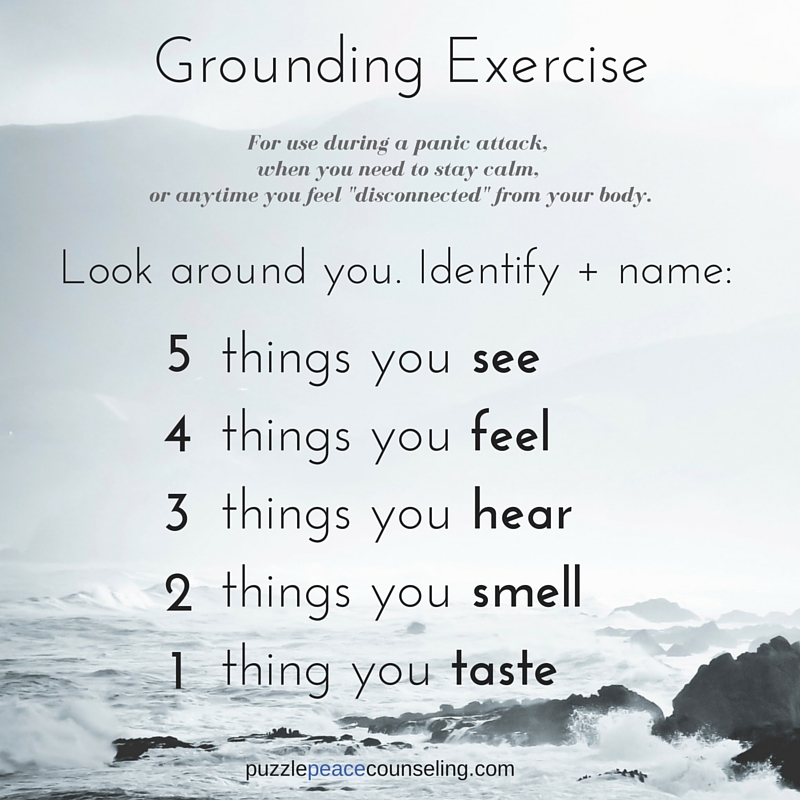
If you cut because you feel disconnected and numb
- Call a friend (you don’t have to talk about self-harm)
- Take a cold shower
- Hold an ice cube in the crook of your arm or leg
- Chew something with a very strong taste, like chili peppers, peppermint, or a grapefruit peel.
- Go online to a self-help website, chat room, or message board
If you cut to release tension or vent anger
- Exercise vigorously—run, dance, jump rope, or hit a punching bag
- Punch a cushion or mattress or scream into your pillow
- Squeeze a stress ball or squish Play-Doh or clay
- Rip something up (sheets of paper, a magazine)
- Make some noise (play an instrument, bang on pots and pans)
Substitutes for the cutting sensation
- Use a red felt tip pen to mark where you might usually cut
- Rub ice across your skin where you might usually cut
- Put rubber bands on wrists, arms, or legs and snap them instead of cutting or hitting
Source: The Mental Health Foundation, UK
Professional treatment for cutting and self-harm
You may also need the help and support of a trained professional as you work to overcome the self-harm habit, so consider talking to a therapist. A therapist can help you develop new coping techniques and strategies to stop self-harming, while also helping you get to the root of why you cut or hurt yourself.
Remember, self-harm doesn’t occur in a vacuum. It’s an outward expression of inner pain—pain that often has its roots in early life. There is often a connection between self-harm and childhood trauma.
Self-harm may be your way of coping with feelings related to past abuse, flashbacks, negative feelings about your body, or other traumatic memories. This may be the case even if you’re not consciously aware of the connection.
Finding the right therapist
Finding the right therapist may take some time. It’s very important that the therapist you choose has experience treating both trauma and self-injury. But the quality of the relationship with your therapist is equally important. Trust your instincts. If you don’t feel safe, respected, or understood, find another therapist.
There should be a sense of trust and warmth between you and your therapist. This therapist should be someone who accepts self-harm without condoning it, and who is willing to help you work toward stopping it at your own pace. You should feel at ease with him or her, even while talking through your most personal issues.
Helping a friend or family member who cuts or self-harms
Perhaps you’ve noticed suspicious injuries on someone close to you, or that person has confided to you that he or she is cutting. Whatever the case may be, you may be feeling unsure of yourself. What should you say? How can you help?
- Deal with your own feelings. You may feel shocked, confused, or even disgusted by self-harming behaviors—and guilty about admitting these feelings. Acknowledging your feelings is an important first step toward helping your loved one.
- Learn about the problem. The best way to overcome any discomfort or distaste you feel about self-harm is by learning about it. Understanding why your friend or family member is self-injuring can help you see the world from his or her eyes.
- Don’t judge. Avoid judgmental comments and criticism—they’ll only make things worse. The first two tips will go a long way in helping you with this. Remember, the self-harming person already feels ashamed and alone.
- Offer support, not ultimatums. It’s only natural to want to help, but threats, punishments, and ultimatums are counterproductive. Express your concern and let the person know that you’re available whenever he or she wants to talk or needs support.
- Encourage communication. Encourage your loved one to express whatever he or she is feeling, even if it’s something you might be uncomfortable with. If the person hasn’t told you about the self-harm, bring up the subject in a caring, non-confrontational way: “I’ve noticed injuries on your body, and I want to understand what you’re going through.”
If the self-harmer is a family member, especially if it is your child, prepare yourself to address difficulties in the family. This is not about blame, but rather about learning ways of dealing with problems and communicating better that can help the whole family.