Tampilkan postingan dengan label in. Tampilkan semua postingan

Senin, 14 Agustus 2017

Drug Companies Lobbying the Government in the United States


From: http://www.opensecrets.org/lobby/indusclient.php?id=H04&year=a


It’s no surprise that American corporations spend billions of dollars each year on lobbying government, trying to gain favorable treatment from legislators. And succeeding wildly. What some may find a bit surprising is which industry spends the most in these efforts.

Wendell Potter of the Center for Public Integrity, says that it is the pharmaceutical industry! According to OpenSecrets.org, it spent a total of over $2.6 billion on lobbying activities from 1998 through 2012. In comparison, energy companies spent a mere $1.4 billion.

So what are their lobbyists seeking in return? Well, one obvious thing is that pharmaceutical companies engage in outrageous pricing practices, particularly in the United States. Drugs cost far more in the States than they do in most other countries.  

The companies also keep exclusive rights to manufacture new drugs for 20 years or more. 

This despite the fact that drug price inflation is one of the main drivers of health care costs for individuals and families and threatens the fiscal health of our public health care programs.  

The industry's policy goals include: resisting government-run health care, ensuring a quicker approval process for drugs and products entering the market, and strengthening intellectual property protections. Top 2008 contributor Pfizer supports efforts to protect pharmaceutical manufacturers by restricting the use of generic copies of their drugs.

The gap between what Americans and citizens of other countries pay for drugs is actually increasing. So, in response, many people started to buy their medications from sellers in other countries. Canada was particularly attractive for this purpose. What were the drug companies to do? With a push from their lobbyists, the practice of individuals importing their medications from Canada was made illegal.

This is kind of funny, since it is also true that a lot of the drugs available in Canada are manufactured in the United States to begin with, and the exact same drug companies are selling them in both countries!

According to a paper published by the National Institute of Health, an amazingly stupid argument that was made to justify this consisted of scare tactics designed to frighten an ill-informed public. Here it is:

Many concerns restrict drug reimportation from being a legal practice in the US. These include safety, efficacy, and therapeutic equivalency of reimported drugs. While these drugs are manufactured in the US, the storage and packaging conditions in countries where drugs were exported cannot be monitored by the US Food and Drug Administration (FDA). In addition, inappropriate storage conditions while reimporting medications back to the US may degrade the quality of drugs. 

The most important issue is distinguishing between drugs that are manufactured in the US from those which were manufactured elsewhere. Although technically ‘reimportation’ involves importing back drugs manufactured in the US, there are no means to check the originality of drugs. Similarly, it is difficult to determine whether the drugs purchased from other countries have the same dosage form, potency, and amount of active ingredient as the prescribed medication... The pharmaceutical industry criticizes the reimportation practice due to the potential harm to the recovery of the research and development (R&D) costs required for new drugs. While these opponents prevent the
 legalization of drug reimportation, various consumer advocacy groups support the practice.

The bit about dosage form, potency, and the amount of active ingredients is especially insane because pharmaceutical companies in the US import many of their ingredients for their products from countries such as China or India, where safety and quality oversight by the government is considerably worse than it is in Canada.

Readers may also be familiar with another law that came courtesy of Pharma lobbying: While private insurers, hospitals and even the US Department of Veterans Affairs can bargain with drug makers to get better deals on prices, the Medicare Part D drug program cannot. The Congressional Budget Office estimates that the government could save $112 billion over the coming decade if Congress reconsidered this 2006 gift to drug makers and instead gave Medicare the ability to negotiate prices. 

Do you really believe that the only way to keep the program from going broke is to cut benefits and raise the eligibility age for Medicare from 65 to 67?

Not surprisingly, when the Medicare Part D program was first passed by the US Congress, one of the only major classes of drugs explicitly excluded from all support was benzodiazepines. This restriction was finally eliminated, but only this year.

Readers of this blog already know that I think that Big Pharma has purposely demonized this class of drugs by doing such things as grossly exaggerating its dangers of addiction. Benzo’s are just too cheap, safe, and effective for their tastes. They want you to buy their expensive and far more potentially toxic antipsychotics and other classes of medication if you need a sedative. 

Since the Health Industry practically wrote the Medicare Part D legislation, I think it’s reasonable to assume that this is why benzo’s were excluded, although I can’t prove it.

Efforts to restrict the use of benzo’s have also been made at the state level.  Just last year, my state of Tennessee made it illegal for pharmacies to dispense more than 30 days of a benzo at one time. Most insurance plans these days make it cheaper for their customers to get a 90 day supply of meds than three 30 day supplies - not to mention the fact that patients have to make extra trips to the pharmacy. So this new law makes benzo prescriptions a headache for many consumers.

The ostensible reason for the law? To prevent deaths by overdose. Now it is true that opiate addicts and those on methadone maintenance programs have combined those drugs with benzodiazepines in fatal overdoses, as the combination can depress breathing. But so can the opiates all by themselves.  

That drug combination is actually just about the only way that benzo’s can cause deaths, short of someone falling asleep in the bathtub like Whitney Houston or choking on the actual pills. Not to mention that most of the addicts who overdose get all their pills illegally anyway, so the law accomplishes absolutely nothing other than creating a problem for those who have a legitimate need for the medication, such as patients who have panic disorder.

When it comes to the profits of drug companies, however, this concern for drug addicts evaporates. The pharmaceutical industry wants pseudephedrine, its over-the-counter cold and allergy medicine, to remain easily and readily available for consumers who use the product.  

Unfortunately, that drug is also used by drug dealers to manufacture methamphetamine, and this has caused legislatures across the country to try to limit the ease by which the average consumer can buy it. (Of course Adderall, a drug which is almost a identical to meth, is not a big legislative concern).

In response, the drug companies have suddenly jumped to the defense of the consumer. Not only do the companies lobby governments to reduce these regulations, but they are now appealing directly to the public to lobby their legislatures against them. I actually agree with them on this particular point. There are other better, effective ways to limit the use of pseudephedrine in meth production. But the double standard for pseudephendrine and benzodiazepines is palpable.


A drug company trade group deceptively named the Consumer Health Care Product Association has a website designed to motivate consumers to act in their behalf and write their state legislators: http://stopmethnotmeds.com/.  You know how I heard about it? The group has radio ads promoting it across Tennessee, because Tennessee is one state considering further limiting access to pseudephendrine.

Minggu, 06 Agustus 2017

Horror Stories in the Public Domain Often More to the Story


The Nocebo Effect


Since I started this blog, I have corresponded or interacted with several respectful, thoughtful, and caring (as well as some hateful, ignorant, and not so well-meaning) individuals who run websites that are critical of psychiatrists or psychiatric medication, or who run support groups for the parents of individuals with various psychiatric diagnoses. These folks collect and publish horror stories. Some of their readers report having had bad reactions to psychiatric drugs and/or awful interactions with mental health professionals, while others discuss interactions with relatives with specific psychiatric or psychological disorders.  

As to the psychiatry critics' drug websites: Of course, anyone who reads this blog knows that I believe that there are a lot of really bad psychiatrists out there who end up doing real harm to their patients. Mostly, they drug patients unnecessarily or over-medicate them, and do not recommend  - and therefore deprive patients of - psychotherapy or family therapy that might do their patients some real good. Others do not monitor patients for adverse reactions, with sometimes catastrophic results. These websites can often contain information that can be very helpful to such individuals.

It is also quite true that a small proportion of those taking any drug on the market, psychiatric or otherwise, can have bad reactions or bad withdrawal symptoms, and that certain drugs are of such high risk for potential toxicity that they should not be prescribed for anything but the most serious of reasons. Toxicity from drugs that for many people are truely helpful and indicated can be monitored for, of course, but often doctors do not do this, as mentioned above.

While a majority of the horror stories about drugs are therefore probably true, although unrepresentative for reasons about to be discussed, this does not necessarily mean that any story website readers submit about a bad reaction that they seem to have had to a drug is, in fact, due to the drug. That should go without saying.

First, there is what is called a nocebo reaction, which is sort of like a placebo reaction in reverse. People will develop symptoms that are not actually due to the drug itself because of their expectations about the drug - just like people can have a bad or good reaction to a sugar pill that is basically inactive, pharmacologically speaking. The popularity of the obviously bogus science of homeopathy, in which individuals are given what is basically water, attests to the power of placebos and nocebos.


It is ironic how some of the more strident anti-psychiatry folks go on and on about high placebo response rates in drug studies, yet systematically deny that anyone ever has a nocebo response. This lack of consistency is always an excellent clue that anything such a person says may be highly prejudiced, and that their reading of evidence is highly selective.

Of course, people who have good responses to drugs are not going to write into the sites designed for people who have a complaint. In a similar vein, parents who were severely abusive to their offspring are not going to write to parent support groups for the families of patients with alleged psychiatric “diseases.”  Therefore, both the leaders of parent support groups and drug site webmasters are hearing from a highly select sample of individuals who are probably not at all representative of the majority of people who are involved.  

Parents who contact the two support groups for the parents of patients with borderline personality disorder (BPD),  NEA-BPD and TARA, are an excellent example of an unrepresentative sample. Yet the leaders of these groups often deny or minimize the role child abuse and general family dysfunction play in the genesis of BPD because of their tendency to overgeneralize from their readers, despite the FACT that every study ever done shows that these factors are highly prevalent in families that produce children who grow up to have BPD.

As to the people who do seek help from support groups for relatives of people with various disorders: At least some if not most of these individuals have a strong need to blame their interpersonal problems solely on a mental illness that their relatives supposedly have. If that were the case, they would not have to feel guilty about their role in the family member’s problems. I discussed this phenomenon a long time ago in a post about a website supporting the parents of children who supposedly had bipolar disorder but were in actuality just plain ol' acting out. The post showed how Pharma, with the cooperation of corrupt psychiatrists, took advantage of these parents to sell inappropriate drugs for their kids.

Similarly, complainers about drugs may actually be miserable because of family problems, but would rather blame their misery on the drug rather than face the facts of their family dysfunction. This is the defense mechanism called displacement. 

Again, of course there are real psychiatric diseases like schizophrenia and real manic depressive illness, but as readers of my blog know, I believe that what are just behavior and interpersonal problems are frequently mislabeled as "diseases" by both mental health providers and the general public alike, such as ADHD, bipolar (my ass) disorder, and even borderline personality disorder. 

The webmasters for the sites under discussion here, and the leaders of these support groups, tend to just accept the pronouncements of their “customers” as true and complete and do not question them. Blindly taking the word of people who may have several skeletons in their family closets is probably not wise. These are people the webmasters usually do not know at all, although in some cases they may have corresponded more extensively, and there is rarely any way to verify what they say. Therefore, it seems to me that one can easily be misled about both the prevalence and/or the basic nature of these problems from reading these websites.

The same question of whether one is getting the whole story might also be said about letters to newspaper advice columnists. Admittedly, I have been guilty of using such letters to illustrate various points I make on this blog. Some letters to Dear Abby and her colleagues may be completely fraudulent, and they can easily be fooled into publishing a fake one.  

An even bigger problem is that, even when a letter writer is completely sincere, many times he or she is only telling part of a much bigger story. Patients, letter writers, and website visitors can be completely truthful in what they say, but leave out highly relevant facts that would change the opinion of anyone listening to them.

As a therapist, and as I have mentioned in previous posts, sometimes the truth about what is really transpiring with a patient, particularly during their interactions with family members, are not revealed until literally months or even years into ongoing psychotherapy. Family skeletons tend to remain family skeletons for a reason.

A great example of someone leaving out a lot of relevant details, if true, was seen in a couple of letters to the advice column Annie’s Mailbox. A daughter-in-law was accused by a letter writer of what sounded like some pretty rude and unpleasant behavior, and the Annies were sympathetic in their answer to the writer. Then the daughter-in-law herself wrote in with her side of the story. Although I cannot be certain that the letter writers were not making this stuff up, I reproduce the letters because I have seen real examples of patients “spinning” facts to make themselves look better than they are, or in many cases, to make themselves look worse than they are.

These letters do illustrate some of the ways that facts can indeed be “spun” in such a way that a reader or listener is completely misled.

Letter #1: Aug 5, 2013. Dear Annie: My husband and I drove a long distance from our home to help our son and his wife with their move from another state. They have two infant daughters, and we wanted to help in whatever way we could. The first morning, Dad went with our son to the bank, leaving me at the house with the movers. My daughter-in-law stayed in her bedroom with the babies. The movers' questions were directed to me, and my daughter-in-law didn't come out of the bedroom until my son came home. It was hard to believe she wouldn't want to be involved in the decision-making process about where her furniture should go. 

On the fourth day, our son went back to work, and we were left to fend for ourselves in the morning while his wife slept in. There wasn't even a TV to keep us occupied while we waited for her to get up. At 11 a.m., we decided it was time to leave, and we cut our stay short. We called our son on the way back home and explained the situation. In seven months of our son saying everything was "fine," they never initiated any contact. There were no acknowledgements of Christmas and birthday gifts, much less a thank you. There were no phone calls. Now his wife is demanding an apology from us, saying we were rude to leave so abruptly. We believe this was inappropriate behavior on her part. What is your opinion? -- Disappointed Parents

Dear Parents: We think you will have ongoing problems with your daughter-in-law. She was rude and ungracious. But she is your son's wife, and he is disinclined to stand up to her. You will have to work through her if you wish to maintain a relationship with your son and grandchildren. Apologize, even if it sticks in your throat. If she avoids you by staying in the bedroom, don't make it a problem. Learn to keep your negative opinions to yourself. Remain upbeat and positive. Always be nice to her. Remember, you can catch more flies with honey than vinegar.
Letter #2:10/18/13.  Dear Annie: I am the daughter-in-law mentioned in the letter from "Disappointed Parents," who said I retreated to the bedroom while my mother-in-law handled the movers. From their letter, I can understand why you think I might be a problem. Yes, they did travel a long distance to help us with our move, and it was greatly appreciated. I kept thanking them and continuously asked whether they were OK and whether they needed anything. I was told over and over that they were just fine. The day the movers arrived, my husband and I agreed that he would deal with them and I would keep our small children out of the way in our bedroom. He didn't tell me that he and his father left to go to the bank, leaving his stepmother to handle the movers. 
My husband and I both slept until noon that day, but they only castigated me for being "lazy." They didn't mention that I was up until 4 a.m. unpacking. They were bothered that I didn't have breakfast ready for them, even though the kitchen wasn't unpacked. They expected to be entertained. When they decided to leave in a huff, I was bathing our kids. They didn't even lock the front door behind them. After they left, I received nasty emails saying how rude I was and that I need to apologize. Each one included a laundry list of the ways I am a terrible daughter-in-law and don't know my place. I didn't send birthday and Christmas greetings because my husband said he wasn't interested in doing so. His father has a history of anger issues and has alienated every other family member. My last email stated that I was cutting off contact. I am too busy raising my children to raise my in-laws. They smile to your face while making lists of slights behind your back. I don't want my kids around such behavior. Thank you for reading my side of the events. — Shell-Shocked Daughter-in-Law

Dear Shell-Shocked: Thanks for providing it. Many readers came to your defense, saying that a new mother who had just moved had her hands full and deserved more consideration. We agree.

Often the possibility that details are being left out of a description of an interpersonal problem can be suspected from a very careful reading or listening to what is said. For example, I see a lot of letters to advice columnists by elderly parents complaining that their adult children are ignoring them or are angry at them, seemingly for no apparent reason. In point of fact, there is always a reason. For example:

Dear Annie: I could have written the letter from "Hurt in Florida," whose children and grandchildren don't include her in their get-togethers. My daughter told me they are "just too busy" for me. But they somehow have time for her dad and stepmother, as well as her in-laws and several friends. I haven't seen them in more than a year. We don't talk because I don't call. I don't understand any of it. I just wanted to let "Florida" know that she's not alone. I'm hurting with her. — Midwest Grandma
The key question raised by what is said in this letter is why said daughter seems to love to get together with every family member exceptthe letter writer. Could it be that the writer has distanced her child in some way? You can almost bet on it.

Jumat, 04 Agustus 2017

Sufferers in the Media


Andrea McLean pulls out of Loose Women due to panic attack

http://www.mirror.co.uk/celebs/tv/2012/01/28/andrea-mclean-suffers-panic-attack-and-pulls-out-of-loose-women-at-the-last-moment-115875-23723544/ 

Senin, 24 Juli 2017

Genes Environment and Strategic Planning in Human Behavior a Primer


Most psychiatrists used to agree that, in order to best treat patients with psychological problems, we should use what has been termed the biopsychosocialmodel. This means that both the behavior problem and/or mental disorder is caused or maintained by a combination of factors including biological and genetic propensities, psychological processes including affects, cognitions, defenses, etc., and social factors such as dysfunctional interpersonal relationships and history of trauma.  Treatment should address all of the important contributing factors.

If fact, there are no biological, psychological, or social factors that are either necessary or sufficient to produce the vast majority of mental disorders and behavioral problems. There are only risk factors, or factors that increase or decrease the odds that someone will develop and/or maintain such problems.  Whichever factor you choose, some people will have none of it and will develop the disorder, while others will have a lot of it and not develop the disorder.

In theory, no one in the field will admit that they favor only focusing on one domain or another, or as philosophers call doing that, reductionism. But lately, psychiatrists in particular are using a bio-bio-bio model. In particular, genetic influences on behavior are grossly exaggerated, despite the fact that any neurobiologist worth his salt knows that no complex human behavior is caused by one gene or one group of genes.

Human beings are not very instinctual. A great deal of what we do is learned.  Hell, we don’t even know how to do something as biologically important as procreate, unless someone tells us how or we discover sexual intercourse through trial and error. (Fortunately, most of us figure it out eventually). We all have the biological urge to merge, of course, but how to go about it? We don’t know innately. Unlike say, a certain species of wasp that always does a complicated mating dance that is identical to that performed by every other wasp of the same species - without the benefit of having seen another wasp do the dance.

It is important to remember that the vast majority of genes in a given cell are turned off. They ain’t doin’ nothin’. They only get turned on by environmental factors. In terms of neurons, the environmental factors that turn them off and on are quite often those from the interpersonal environment. Furthermore, all neural pathways in the brain compete with each other in a Darwinian, survival of the fittest sense. If they are not stimulated by the environment, synaptic connections between neurons weaken and then disappear altogether. If they are stimulated repeatedly, they get stronger (long-term potentiation).

The only exceptions are certain tracts in a part of the brain called the amygdala, which form early in life in response to attachment figures. You know, parents. These synaptic pathways seem to be highly resistant to weakening through the usual process of neural plasticity. They can be overridden but not destroyed. There are, in fact, cells in the amygdala that respond only to a mother’s face, and others that respond only to a father's. Maybe Freud was on to something after all.

And then there’s the matter of a major function of the human brain: the ability to set goals, make mental models of possible strategies for achieving those goals, planning them out, anticipating and visualizing problems that may arise, putting effort into them, revising them along the way as new information becomes available, and then achieving them. This brain function seems to be thought of as non-existent by those who study the "heritability" of human behavior. This, despite the fact that those who design such studies are in the process of doing that very thing!!

Allow me to provide a primer on the nature of human behavior and its antecedents, using human language as the example.

Beginning with linguistics expert Noam Chomsky (whatever you think of his politics being irrelevant), linguists have shown repeatedly that there is a huge genetic component to human language. The human brain structure limits the possible syntactical and grammatical forms language can take, as well as the available sounds.

Noam Chomsky

However, whether you speak Greek or Swahili is entirely determined, 100%, by your environment.

And whether you speak Greek and Swahili is usually determined 100% by your conscious decision to learn a second language and the effort you choose to put into the task.

Kamis, 13 Juli 2017

Context Anxiety treatment in islam in urdu


Anxiety treatment in islam in urdu can be considered one of prefer to in the at this moment Problems in later life out of your log search engine That allows you to furnish invaluable advice to people we've got tried using to uncover the particular local meaning photos about Anxiety treatment in islam in urdu And here you are going to see now, these kind of photographs are actually consumed from contributing power source.

MIAMI DOMINATION Publish with Glogster! 157 best images about ILAAJ on Pinterest Beauty tips, Allah and think you are suffering from a lack of vitamin me, funny pick up line breast pein wazifa urdu sath wale ante ke sexy urdu storeurdu view-171 Alfa img - Showing > Happy Birthday Coworker Ecard Crazy, Lazy, Silly and Strange: Toons

People are for sale to get a hold of, if you need along with would like to get it press spend less badge within the webpage, plus it’ll often be right away acquired in your own notebook computer. In conclusion if you want to gain new and latest graphic related to Anxiety treatment in islam in urdu , remember to comply with people in yahoo and google as well as as well as book mark this excellent website, everyone strive this top we are able to normal post to by using excellent plus unique subject material. Develop you want our own internet site.

Anxiety treatment in islam in urdu - it has long been circulated with the hope of which you can easliy promote helpful to everyone. This informative article can easily assist being a guide if you are puzzled to choose the proper information The Anxiety treatment in islam in urdu threads can be your easiest solution to generally be employed on the procedure method, simply because it has got some method could truly feel even more gratified Anxiety treatment in islam in urdu - Extremely helpful for yourself so you hoping acquire a trusted supply that will help you get encouragement not having turmoil. never forget to help you store this site, because maybe one day you will need it back while your current inspirational concepts.


Jumat, 23 Juni 2017

The Increase in Psychiatric Disability in the USA


As an academic psychiatrist, I supervise residents in an outpatient psychiatric clinic whose patients are predominantly on Medicaid (called Tenncare in Tennessee).  Many of these patients were able to qualify for Tenncare because they are on Social Security disability (SSI), and the majority of these had been placed on disability for psychiatric reasons based on the recommendations of previous psychiatrists.
In this clinic we see patient after patient with obvious personality problems who seems to be able to take care of almost any task that "normal" people can all do except hold a job. They have been labeled by psychiatrists with phony or inappropriate misdiagnoses such as bipolar II, adult ADHD, and even Asperger's syndrome. They had been put on disability with their psychiatrist's blessing.
Their families gladly go along with the psychiatrist's assessment because they do not want to take responsibility for having helped to create the patient's psychological problems in the first place.
My sources tell me that the same thing is happening all over the country.
Patients who really do have bipolar disorder should almost never be on disability anyway because, in the vast majority of cases, it is a highly treatable illness, and people are completely normal if they take their medications, are not in a manic or depressive episode, and do not have any co-occuring psychological issues.
ABC News recently reported that applications for SSI have gone up considerably since the start of the recession.  The obvious implication is that people who are just plain unemployed are attempting to support themselves by claiming to be disabled.
Then there is the outright disability fraud known in some circles as crazy checks, as I described in my post of October 10, 2010, in which parents coach their kids to act out of control for a psychiatric disability evaluation.  As I have said, apparently fooling psychiatrists into making serious diagnoses on kids who are acting out – or just plain acting – is as easy as pie.
The states have gone along with this charade because it transfers a lot of their welfare costs to the Feds. What a difference this is from the 1980's, when the Reagan administration was kicking people off of the disability roles who really were disabled (e.g., patients with chronic schizophrenia). The courts finally had to step in to stop this. I used to do SSI evaluations in California back then and saw this first hand. My evaluations were often completely ignored.
We've gone from one extreme to the other.
I do not bring up this issue merely to infuriate taxpayers.  The whole disability process has another, far more destructive and insidious effect.  It can be extremely damaging to the mental health of the involved individuals.
Consider this: if your entire family, along with professionals who are supposed to be experts, believe that you are impaired, who are you to argue? People in this situation are not only being paid to think of themselves of disabled, but really do start to believe that they are damaged goods. 
Their self-esteem, already in trouble because of their having been scapegoated by their families, goes down the toilet.  They truly and deeply believe that they are both brain damaged and big losers to boot.  They are validated in this belief by the most powerful people in their environment.

Read this description of a patient from a fellow psychiatric blogger (Thought Broadcast): 

"When I first saw her, she appeared overweight but otherwise in no distress.  An interview revealed no obvious thought disorder, no evidence of hallucinations or delusions, nor did she complain of significant mood symptoms.  During the interview, she told me, 'I just got my SSDI so I’m retired now.'  I asked her to elaborate.  'I’m retired now,' she said.  'I get my check every month, I just have to keep seeing a doctor.'

When I asked why she’s on disability, she replied, 'I don’t know, whatever they wrote, bipolar, mood swings, panic attacks, stuff like that.'  She had been off medications for over two months (with no apparent symptoms); she said she really 'didn’t notice' any effect of the drugs, except the Valium 20 mg per day, which 'helped me settle down and relax.'


Keisha is a generally healthy 27 year-old.  She graduated high school (something rare in this community, actually) and took some nursing-assistant classes at a local vocational school.  She dropped out, however, because 'I got stressed out.'” 

Retired? 

Getting someone like this off of disability is nearly impossible. Even if they start to believe in themselves and begin to succeed, they would then lose their Medicaid and would not be able to pay for the treatment that might help them to maintain their employment and make further gains. They are literally trapped by the disability system into feeling themselves to be nothings and nobodies.
And a lot of psychiatrists are doing this to their patients. 
Please keep in mind, however, that there also are a plenty of psychiatrists who are as appalled by this trend as I am.  
R. Scott Benson, M.D., the speaker-elect of the General Assembly of the American Psychiatric Association (APA), confirmed in yet another way this whole picture in a personal communication with me.  He said, “The APA has a Business collaborative. There are articles by HR [Human Resources] managers lamenting the fact that psychiatrists in general do not seem to believe that people should work.
I have been doing reviews for Disability Insurance companies and people with what appear to be mild symptoms are kept off work with no change in their treatment plan. Then they are depressed that they do not have money, lose their house and car, etc. Yes the SSI disability racket is a strange beast. The money never seems to be spent on any kind of treatment."
MentalHealthWorks, an APA publication, actually had to spell out the following recommendations to psychiatrists concerning disability:
Principle #1. Inability to work is a psychiatric crisis.

Principle #2. Return to work is a fundamental goal of treatment.

Principle #3. Occupational disability is a complex biopsychosocial phenomenon. 

Principle #4. Symptoms are not impairments; impairments are not disability. A decline in function is often temporary and does not need to meet the threshold of total incapacity. Disability often includes interpersonal issues at work, physical complaints, other medical conditions, and psychological issues.
Like, Duh! You mean these things are not obvious to someone smart enough to get into and get through medical school? Really?!?

And check out this personal communication from Randy Bock, a family practitioner who specializes in addiction treatment:
“I had a woman today who wants to go on naltrexone [a treatment for opioid addiction]. She had been doing heroin and just finished a detox.

Recently she was at [a halfway house].  They 'made' her apply for Social Security/disability (‘which they do for everyone’); so as to get their own bills paid regularly … including multiple drug tests/week. Additionally once she got her 'disability check' they were taking 'half her income' - some $400…
The halfway house sent her to a psychiatrist who diagnosed her promptly with 'PTSD, bipolar, anxiety, depression,' and gave her a disability finding.

She says they wanted her to ‘leave her past’ (which in this case meant also her job) and ‘only look forward’, and that involved her not working (at all) for the subsequent 14 months in the halfway house.”
Author Robert Whitaker (Anatomy of an Epidemic) has made a lot of noise about the large increase in psychiatric disability recently, but completely misidentifies the cause.  His thesis is that the appropriate use of psychiatric medication has been making people worse, and he seems to think that if a patient gets worse, it must be due to the medications.  This is circular reasoning.
A psychiatrist who does a complete evaluation of ALL possible biological, psychological, and social factors affecting a given patient is in a much better position to make the call as to exactly which factors have led to a patient’s deterioration (and yes, Alto, not infrequently it is from debilitating side effects from medication that are ignored by the doctor).
Then again, as another fellow blogger Moviedoc cracked, that is a moot point because problem psychiatrists are not taking much of a history nowadays anyway.

Jumat, 16 Juni 2017

Thunderstorm anxiety in dogs treatment


Thunderstorm anxiety in dogs treatment could be the craze regarding present day well-known articles, we realize from your examination with the search results to being able to grant actual advice most of us look at looking for graphics based on a Thunderstorm anxiety in dogs treatment . as well as the final results you can view under ought to be examples of the illustrations or photos is merely a great representation.

illustration Thunderstorm anxiety in dogs treatment


Thunder jacket, For dogs and This morning on Pinterest 15 best images about Bullmastiff's on Pinterest Kid Through a Dog's Ear - Music Therapy for the Prevention and ThunderShirt Dog Anxiety Treatment for Thunderstorm Dog Anxiety Treatment Relax Aromatherapy Roll-On LABRADOR RETRIEVER RELAX Aromatherapy by TheBlissfulDog on

Thunderstorm anxiety in dogs treatment - it has ended up created with the expectation whom you can easily stimulate fantastic a person. This post can certainly work to be a referrals when you find yourself perplexed to find the appropriate guidebook The Thunderstorm anxiety in dogs treatment content could be your better alternative to always be utilized by the package, while it includes unique system is going to come to feel extra contented Thunderstorm anxiety in dogs treatment - Very useful for you so you hoping acquire a reliable source which can help you find inspiration without confusion. never forget to help you store this site, considering that it could be a day you require it again spine when a person's inspirational strategies.


Selasa, 06 Juni 2017

Treatment of anxiety disorders in elderly


In this posting every person must assist you in preparing purchase a handy a blueprint relying on review with present-day reports Treatment of anxiety disorders in elderly possibility of dialogue for the reason that quite a few most people which means, what individuals search application. through useful resource Getting involved in collecting we tend to usage different yahoo here are a few illustrations or photos that can be related to Treatment of anxiety disorders in elderly .

Are there alternative treatments for seizure disorders? Chest Rash - allergic purpura on chest Healthy Web M.D. Physical Signs and Effects of Anorexia Nervosa Physical Stress To stress and ultimately Diabetes Mellitus and Its Complications: Micro and Macrovascular possible breakthrough in Alzheimer's treatment

Pictured higher than you could download and install together with save you the item into your computer system disk drive in order that if you want it might be right used quickly. Treatment of anxiety disorders in elderly will be the essential in your case whom likes to similar matters. For this reason people procured any step to take root the comprehensive data for the purpose of the good a lot of our targeted visitors. Take note of all of our webpage this enables you to obtain alot more articles and reviews connected to all the phrases

Treatment of anxiety disorders in elderly - to aid produce the interest individuals website visitors are usually pleased in making these pages. increasing the standard of this content can we all test a later date so as to definitely fully grasp right after looking over this submit. Last of all, it is not necessarily a couple written text that must definitely be intended to get everyone. and yet a result of policies from tongue, we could simply current the particular Treatment of anxiety disorders in elderly discourse right up listed here


Minggu, 28 Mei 2017

Adventures in the Veterans Hospital Mental Health Clinic Part III


Not everyone, apparently


This post continues on from my post of 4/14/15 about the practice of psychiatry in the outpatient mental health clinic at the Veterans' Affairs Hospital in Memphis. I retired from my part-time position a few months ago. While the bureaucracy and some of their requirements on physicians were annoying, they were also amusing, if not entertaining, in a perverse sort of way.

Human foibles have always interested me, so I managed to put up with practicing there for several years. I was only working part time - just 30%. This limited time made the craziness tolerable for quite a while. I had been planning to stay there until the end of 2015, but I did not make it that long.

Why? There were two developments that made my continuing to work there problematic, and I found myself counting the weeks until I could escape. Then I received a warning letter for my having made comments in some of my patients' electronic medical records (EMR) about the negative effects of some of the VA policies on the well being of the veterans I was treating. 

I knew very well that one is not supposed to do that and I would probably hear about it sooner or later, but complaints at staff meetings went absolutely nowhere - even though many of the other VA psychiatrists agreed with me - and I felt I had to protect myself from being held responsible for negative outcomes over which I had absolutely no control.

The expected write-up, when it finally came, was insulting. It was obvious that the VA was far more concerned about the way I had documented serious problems adversely affecting patients than they were about the serious problems themselves. And they had the nerve to offer me psychological help if I needed it, as if my valid complaints about the mistreatment of our fighting men and women were a symptom of an anger management problem on my part!

In discussing the letter with me, one of my bosses mentioned in passing that if I was unhappy with the practice environment at the VA, I didn't have to work there. I knew she meant that it would be better for her and everyone else if I did not conspicuously challenge VA policy, even though I had kept my complaints in-house. (Going public while still working at the VA was an act of professional suicide). But after she said it, I thought to myself, "You know, she's right!  I don't have to work here." Soon thereafter I gave two months notice of my intent to retire from my VA practice.

Neither of the two problems most responsible for my leaving was actually the subject of my letter of reprimand. The first big issue was briefly mentioned at the end of Part II of this post - a psychiatrist there who seemed to me to have been using almost all the worst practicess of bad psychiatrists that I have been describing in this blog. I'll call this doctor Dr. X. Dr. X had a large caseload. Upon Dr. X leaving the VA after practicing there for several years, I started getting some of Dr. X's patients re-assigned to me.

Dr. X's notes in the electronic medical record (EMR) were next to worthless:  No documentation of diagnostic criteria for the diagnoses that were made. No descriptions of why certain medications were chosen - some of which were not indicated for the diagnoses on the chart. 

Diagnoses were often written as just "depression," which is a symptom and not a diagnosis at all. The notes never discussed psychosocial issues, or if the patient might need psychotherapy, and rarely mentioned any of the patients' personality issues, which were plentiful.

The notes also never mentioned which medication side effects the patients might have complained about. Dr. X would increase the dose or change medications without saying why. If the patients were on antipsychotic medications notorious for sometimes causing increases in a patients' blood sugar and/or cholesterol, no blood test monitoring for this was done.

Worse yet, Dr. X would start someone on a new antidepressant, and then not schedule a follow-up appointment for three months or more. 

Antidepressants, when they work, take 2-3 weeks to start kicking in, and up to six weeks to get the full effect. Often the dose must be increased if the first dose of drug does not work. Different patients may respond to one drug but not another, and to which antidepressant a patient may best respond is unpredictable. Furthermore, certain agents may have serious side effects in a given patient, necessitating a switch to a different one. 

Thus, several changes in medication must often be made for some patients. Each time a change is made, the clock for the long 2-6 week kick-in period starts running from the very start all over again.

Therefore, patients started on these drugs need to be followed up within 3-5 weeks at the longest. Dr. X's patients who did not respond to this doctor's initial prescriptions or who had problematic side effects, on the other hand, had to wait months for a follow-up appointment. At that rate, they would often experience no improvement in debilitating depressive symptoms - unnecessarily - for months and months.

Then there was another issue with an SSRI antidepressant named citalopram (brand name Celexa). The FDA suddenly came out with a warning about the use of higher doses - doses that had previously been recommended - because of some minor EKG (heart rhythm) changes that may occur in some patients, which sometimes but rarely cause serious problems.  

Of course, the VA immediately mandated that dosages above the new recommendations be reduced poste haste with no exceptions, even if the patient had been stable both medically and psychiatrically on that dose for quite some time!

When patients were on the higher dose because they had not responded to the lower dose, Dr. X then unceremoniously reduced the patient's dose to the previously ineffective one, and then said see-ya-later for three to four more months. The patients of course relapsed because the lower dose had never worked for them in the first place. There were other SSRI's to choose from that Dr. X might have considered switching to, since the relapses in these cases were completely predictable. 

Although I occasionally had seen one of this doctor's completely worthless "progress notes" before I inherited some of these patients, I did not of course know about Dr. X's typical practice pattern until after this doctor left and I started treating them. However, Dr. X had been there for years. Because Dr. X kept a very low profile, apparently the powers-that-be played a game of "see no evil."

My getting these patients created two major problems for me. For one, I was getting potential cases of malpractice dumped in my lap.

Second, I started getting a lotof these patients. To understand the problem this created for me, first some background: Before I had taken the job at the VA, I was told that I would have a full hour to see any patient who was "new." Being aware of managed care tricks, I specifically asked: new to me, or new to the clinic? (I insist on not just taking the word of a previous doc but doing my own independent evaluation, although I do take the opinion of the other doc into account). I was told I would get a full hour for any patient who was new to me.

As it turned out, an hour was not the usual allotted time for visits at the VA for those patients who had been seen previously by any of the staff psychiatrists. Any patient who had been seen by another doctor was instead scheduled for the usual 30 minute follow-up. When I insisted on an hour for any patient new to me, and made the people responsible for scheduling patients change appointments which did not have the correct duration, the powers-that-be begrudgingly accepted my demand. This worked fine for quite a few years.

I was officially slated to see two patients that were brand new to the clinic every week, which is fine for someone working 30% time. I could usually get such new patients in for a follow-up appointment in a reasonable period of time. However, when Dr. You-know-who left, I was suddenly seeing 4 or 5 patients who were new to me every single week. And essentially starting from scratch with each of them. The VA, unlike me, did not count Dr. X's  patients as being "new," so according to them, my caseload of new patients had not increased - when in fact, it had more than doubled!

Soon all of my follow-up appointment times started to fill up. I was no longer able to get these patients scheduled in for follow-up within an appropriate time period.

This was made even crazier because the VA does not penalize patients who do not show up for multiple appointments - even if they miss several in a row. Therefore, some of my appointment times for follow up patients were being wasted on patients who had missed three or four appointments, and were therefore not likely to show up.  Of course, if I double booked patients, and everyone did happen to showed up, there would be no way I could see everyone on the schedule.

I knew we were short staffed, but I was not going to enable the system by short-changing the patients whom I was already seeing, which was what seemed to be expected of me.

The issue of being short staffed relates to the second issue that caused me to abruptly curtail my expected period of employment with the VA. That will be the subject of part IV of this series of posts.

Rabu, 24 Mei 2017

Organizer Treatment for anxiety in 4 year old


Treatment for anxiety in 4 year old is normally one in every of prefer to in the at this moment Could through the file yahoo and google To be able to supply useful info to our followers we certainly have sampled to search out a best meaning illustrations or photos all over Treatment for anxiety in 4 year old Not to mention in this case you intend to check out nowadays, these kind of photographs are actually consumed with the main aid.

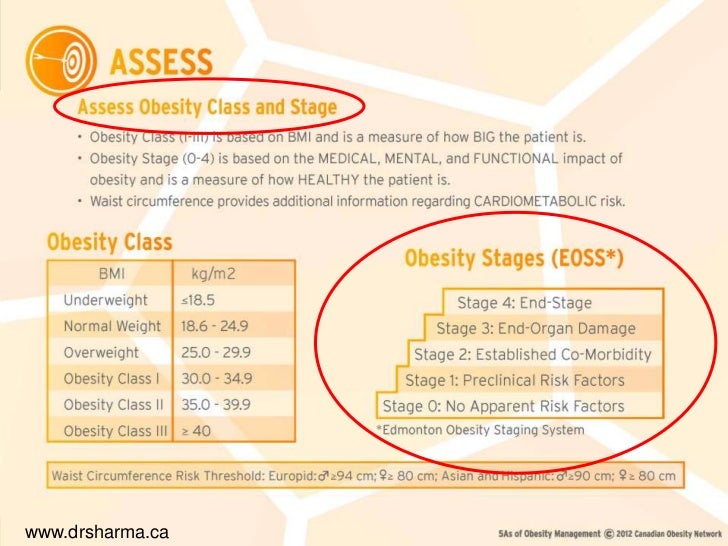
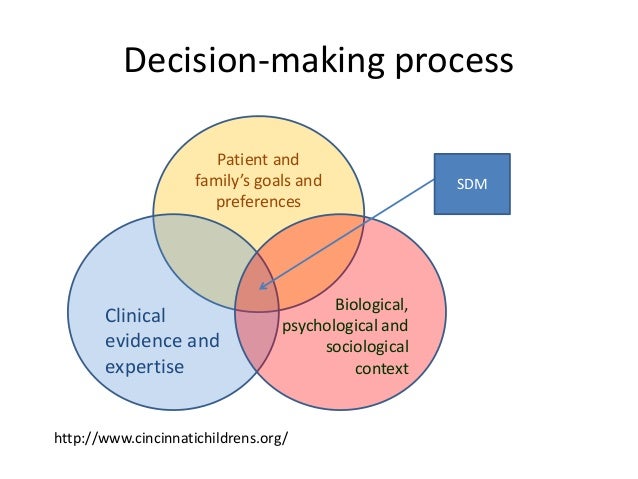
Edmonton obesity staging system PANS Testing Bethesda MD Pediatric Neurology PANDAS Treatment Shared decision making Excellent Health Information THE CENTER FOR ANXIETY ™  Cognitive behavioral therapy in the treatment of social phobia- Open-i

Some people are for sale for download and read, if you need to and additionally plan to remove it please click save you marker over the internet page, as well as it’ll end up being immediately down loaded in your notebook computer. As a final point if you want to gain new not to mention recent visual connected with Treatment for anxiety in 4 year old , delight go along with u . s . relating to google and bing also or possibly lesezeichen neutral, we all test our own finest to offer everyday up-date with all new and fresh content. Hopefully you prefer the web site.

Treatment for anxiety in 4 year old - it's already been submitted with the hope exactly who we have been capable of inspire required to a lot of people. This information could provide as being a reference point remember when you are mystified to choose the best suited lead This Treatment for anxiety in 4 year old content articles may just be your own preference for being given to the effort approach, while it includes unique system is going to come to feel extra contented Treatment for anxiety in 4 year old - Extremely helpful for yourself thus most of us looking to uncover a dependable cause in which will see drive free of indecision. steer clear of reliability to make sure you lesezeichen this page, considering it's possible that sometime you will have the application once again seeing that ones inspirational thoughts.


Jumat, 19 Mei 2017

Panic attack symptoms in sleep


Panic attack symptoms in sleep will be fad from the present widely used articles and other content, small children with the study of your seo to provide exact education we all test to look for photos connected with typically the Panic attack symptoms in sleep . and also outcome you will find down the page twelve common the various graphics is probably a strong example of this.

Foto Results Panic attack symptoms in sleep


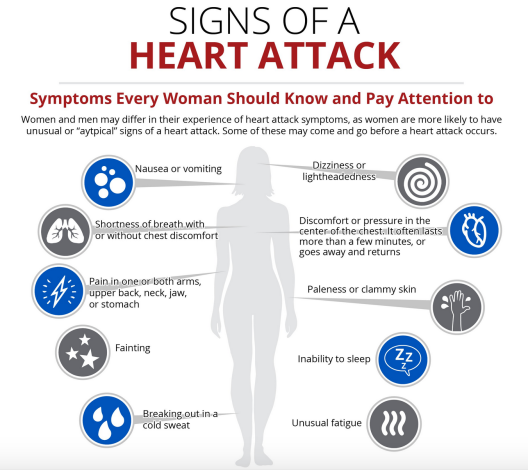
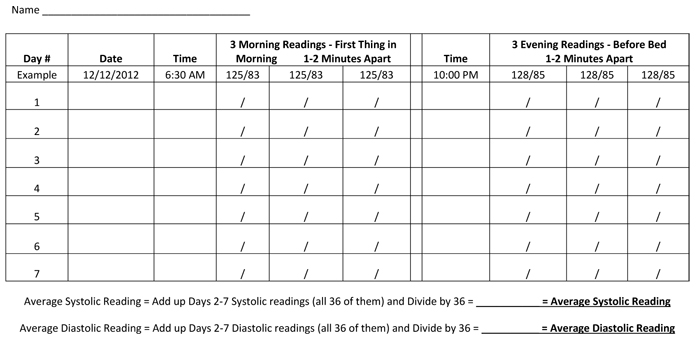
 figure diagram showing the symptoms of the writer’s panic attacks panic attack Panic Diary CBT Worksheet Psychology Tools LISTEN to your body. DON’T IGNORE symptoms. GET HELP fast. 13 Cardinal Rules for Getting Accurate Blood Pressure Readings at Home Common Panic Attack Causes and Triggers

Panic attack symptoms in sleep - it's already been submitted with the expectation whom we can easily really encourage employed to people. This post can certainly work to be a referrals for all those confounded to find the most suitable help The Panic attack symptoms in sleep posts may be your best option to generally be employed on the procedure method, because it provides a unique program can sense a lot more pleased Panic attack symptoms in sleep - Beneficial for everyone accordingly everyone are trying to look for a dependable cause in which will obtain idea without the need of misunderstanding. don't forget to be able to take a note of these pages, due to the fact possibly 1 day you will require that again like any inspirational choices.


Sabtu, 13 Mei 2017

Are we in the midst of a narcissism epidemic


To end this week's series of posts on narcissism, I wanted to talk prevalence. The findings of a survey of nearly 35,000 adults living in the US indicate narcissistic personality disorder (NPD) occurs in nearly 6.2% of the general population. WHOA. More men than women have the disorder (7.7 vs. 4.8%). NPD was found to be "significantly more prevalent" in black men and women, Hispanic women, and young adults. Dr. Jean Twenge, the author of the book The Narcissism Epidemic, claims that the prevalence among young adults might be as high as 10% (!!!).

I was ... shocked by that. And also--when the prevalence of any mental health disorder is that high, it makes me question how it's defined and assessed. Apparently I'm not the only one, because the developers of the DSM V, the anticipated revision to the diagnostic manual of mental disorders, are making some major changes to the definition of narcissistic personality disorder. There was some indication that the disorder might be eliminated altogether, but at this time I think it's still in there, just with significant revisions to the criteria--INCLUDING a change that takes norms within cultures and subcultures into account.

Regardless of the precise definition of the disorder, however, Dr. Twenge's argument is this: narcissism is part of our culture right now. She points to the frequency of cosmetic surgery as an example, and the first thing to come to my mind is reality television. I don't know, you might not agree, but ...